Gravel vs. Asphalt Driveways in Maine: Which Is Right for Your Property?

Mikenzie Melendez • June 9, 2026

By Select Sealcoating & Paving · Southern Maine
Gravel vs. Asphalt Driveways in Maine: Which Is Right for Your Property?


If you're installing a new driveway or replacing an old one, one of the first decisions you'll face is choosing between gravel and asphalt. Both are popular choices across Southern Maine — and both have real advantages depending on your property, budget, and long-term goals. Here's an honest breakdown to help you make the right call.


The Case for Gravel

Gravel driveways are one of the most common choices for Maine homeowners, especially in rural areas. Here's why:

Lower upfront cost. Gravel is significantly cheaper to install than asphalt. For long driveways — common on Maine properties — this difference can be substantial.

Easy to install and repair. Gravel can be laid quickly, and adding a fresh layer every few years is simple and inexpensive. Potholes and low spots are easy to fix without professional equipment.

Good drainage. Gravel allows water to permeate the surface naturally, reducing runoff and standing water.

Works well in rural settings. If your property has a long, winding driveway through trees or over uneven terrain, gravel is often the more practical and cost-effective choice.


Downsides of Gravel:

  • Gravel migrates over time and needs to be raked or redistributed
  • Can be difficult to plow in winter without losing material
  • Dusty in dry conditions
  • Less polished curb appeal compared to paved surfaces
  • Harder to shovel or snowblow in winter


The Case for Asphalt

Asphalt is the go-to choice for homeowners who want a clean, finished look and a low-maintenance surface over the long term.

Strong curb appeal. A freshly paved or sealcoated asphalt driveway gives your home a polished, well-maintained appearance that adds real value.

Easier winter maintenance. Asphalt is much easier to plow, snowblow, and shovel than gravel. Snow slides off cleanly, and you don't have to worry about displacing your driveway surface.

Durable with proper maintenance. A well-installed asphalt driveway can last 20–30 years with routine sealcoating and crack filling. That's a strong return on investment.

Smooth, safe surface. Asphalt is easier to walk on, bike on, and drive on than loose gravel — especially for families with kids or elderly residents.


Downsides of Asphalt:

  • Higher upfront installation cost than gravel
  • Requires sealcoating every 2–3 years to maintain and protect the surface
  • Can soften in extreme heat (less of a concern in Maine than in southern states)
  • Cracks over time if not maintained, especially in freeze-thaw conditions


How Maine's Climate Factors In

Maine's freeze-thaw cycle is tough on both surfaces — but in different ways.

For gravel driveways, frost heaving can shift and displace material, creating uneven surfaces that need regular grading. Spring thaw often turns gravel driveways soft and rutted.

For asphalt driveways, the freeze-thaw cycle is the number one cause of cracking. Water seeps into small surface cracks, freezes, expands, and widens the damage. The good news: this is largely preventable with sealcoating, which acts as a barrier against water infiltration.

Bottom line — both surfaces require seasonal attention in Maine. The key is knowing what kind of maintenance you're signing up for.


Side-by-Side Comparison

    Gravel Asphalt     Upfront cost Lower Higher   Lifespan Ongoing with top-ups 20–30 years with maintenance   Winter plowing More difficult Easy   Curb appeal Rustic/natural Polished/finished   Drainage Excellent Requires proper grading   Maintenance Annual grading/top-up Sealcoat every 2–3 years   Best for Rural, long driveways Suburban, high-visibility properties   So Which Should You Choose?

Choose gravel if:

  • You have a long driveway and want to keep upfront costs manageable
  • Your property has a rural or natural aesthetic
  • You're comfortable with annual grading and occasional top-ups
  • Drainage is a concern on your lot

Choose asphalt if:

  • Curb appeal and home value matter to you
  • You want a surface that's easy to maintain in winter
  • You're planning to stay in your home long-term and want a durable investment
  • You have a shorter driveway where the cost difference is less of a factor


What About Gravel as a Base for Future Asphalt?

One smart approach many Maine homeowners take: start with gravel and pave over it later. A properly compacted gravel base actually makes an excellent foundation for asphalt. This lets you spread the cost over time while still ending up with a paved driveway down the road.

At Select Sealcoating and Paving, we handle both gravel installation and asphalt paving — so we can help you plan the right path forward for your property and budget.


Get a Free Estimate Today

Not sure which option is right for your driveway? We're happy to walk your property, assess your needs, and give you an honest recommendation — no pressure, no sales pitch.

Select Sealcoating serves Southern and Coastal Maine, including Biddeford, Saco, Scarborough, Kennebunk, Portland, and Wells.

📞 Call (207) 815-8035 ✉️ selectsealcoatingllc@gmail.com

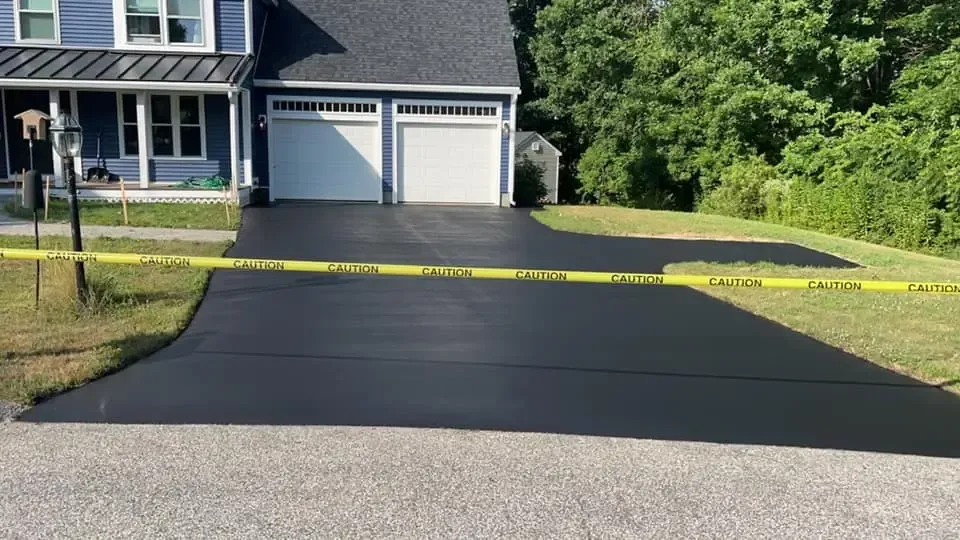
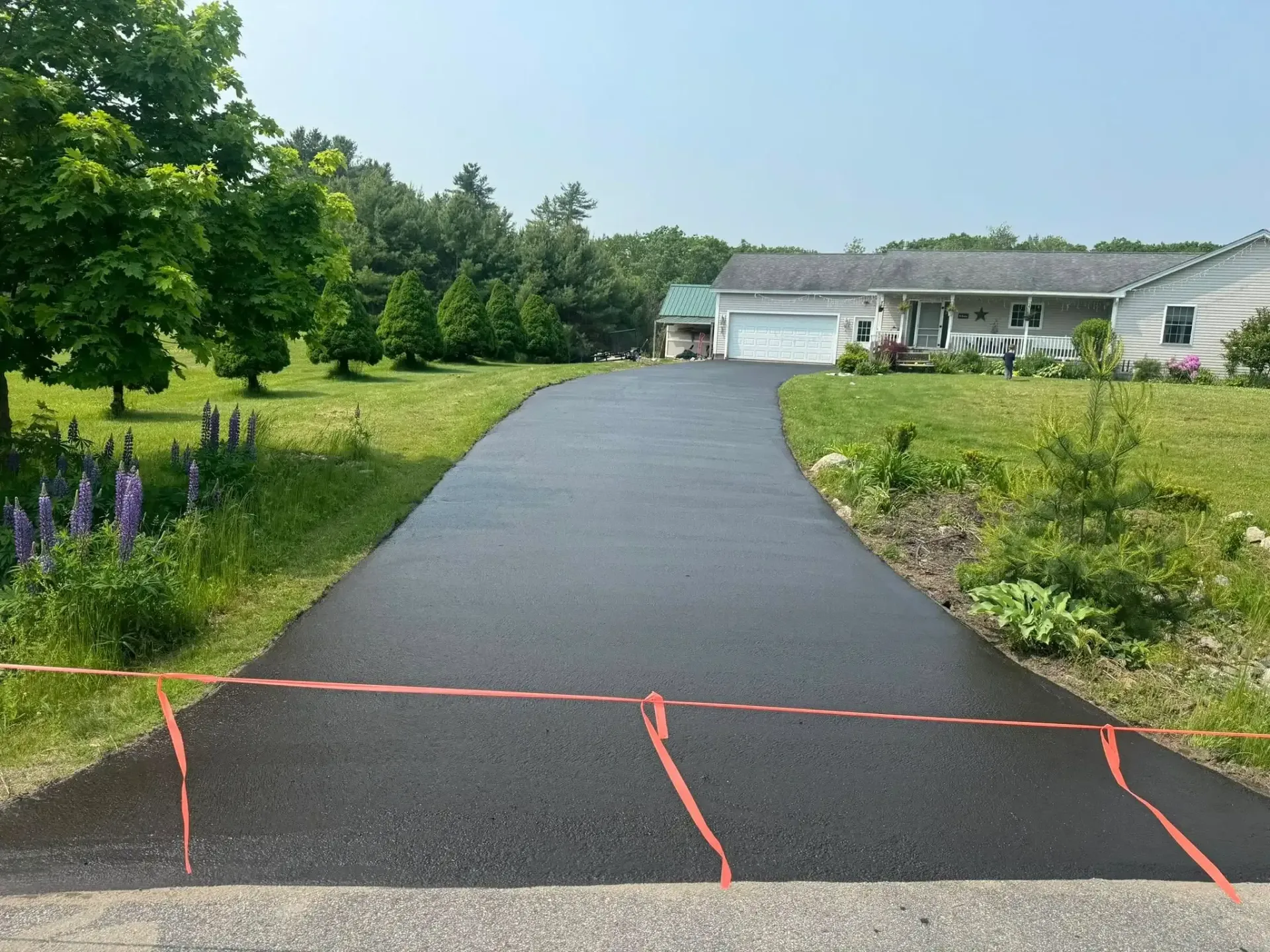
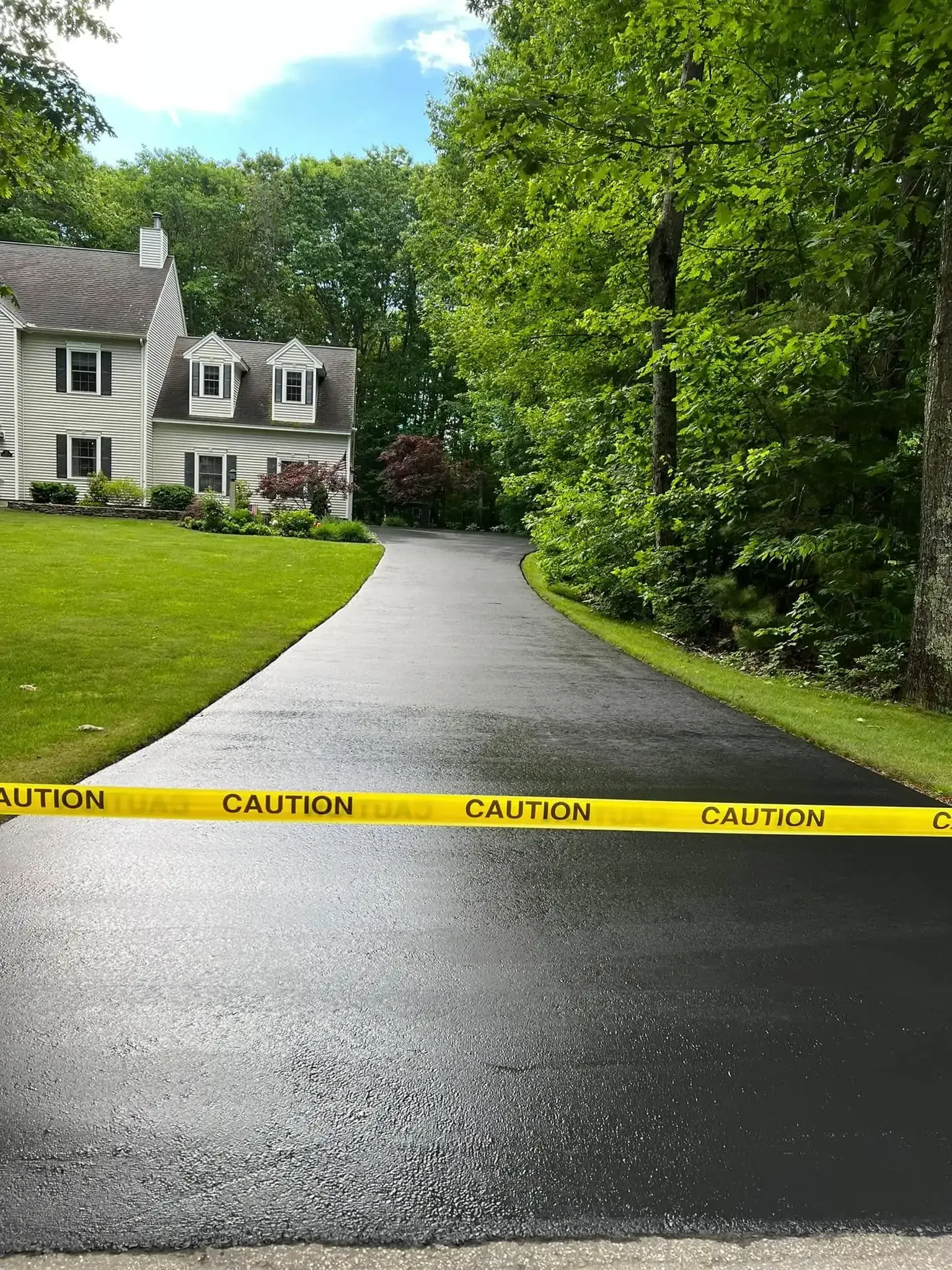
Fresh black asphalt driveway in front of a house, blocked by yellow caution tape
By Mikenzie Melendez May 13, 2026
Wondering what happens during a professional sealcoating job? Select Sealcoating walks you through every step — from prep to cure time.
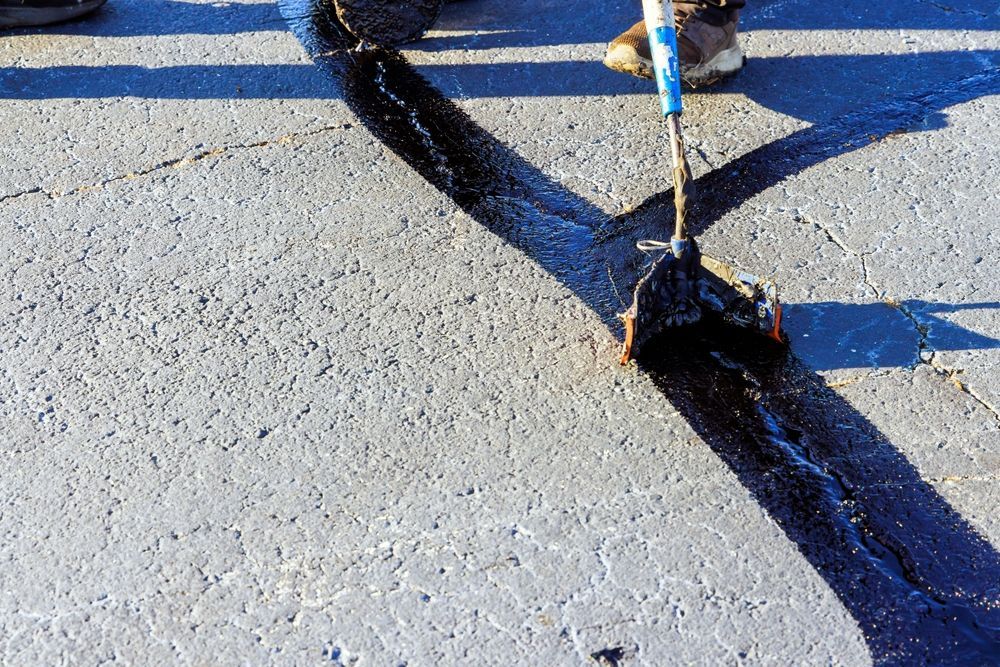
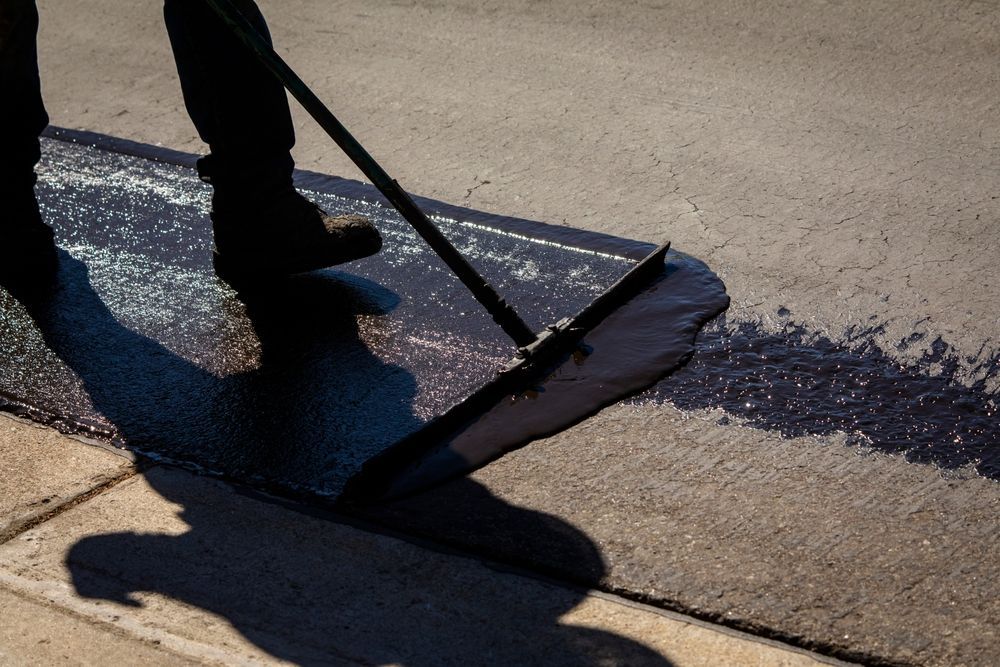
Worker applying black sealant to a crack in a concrete surface with a brush
By Mikenzie Melendez May 7, 2026
Skipping crack filling can lead to costly asphalt repairs. Ensure your pavement lasts longer with our expert services. Contact Select Sealcoating!
By Mikenzie Melendez April 6, 2026
If you live in Southern Maine, your driveway or parking lot goes through more stress than you might realize. Between freezing winters, snow removal, and summer heat, asphalt takes a beating year-round. Understanding how Maine weather affects your pavement can help you avoid costly repairs—and extend the life of your investment. The Freeze-Thaw Cycle: Asphalt’s Biggest Enemy One of the most damaging forces in Maine is the freeze-thaw cycle . Here’s what happens: Water seeps into small cracks Temperatures drop → water freezes and expands Ice forces cracks to widen When it melts, even more water enters This cycle repeats dozens of times each season, turning tiny cracks into major damage. Salt and Snow Removal Damage Winter maintenance can also accelerate deterioration: Road salt weakens asphalt structure Plows can scrape and stress surfaces Sand and debris create surface abrasion Over time, this leads to fading, cracking, and potholes. Summer Heat & UV Rays Maine summers may be short—but UV damage is real. Sun exposure: Dries out asphalt oils Causes fading and brittleness Makes surfaces more prone to cracking How to Protect Your Asphalt The good news? Most of this damage is preventable. 1. Sealcoating Every 2–3 Years Sealcoating adds a protective barrier against: Water penetration UV rays Chemical damage 2. Crack Filling Early Small cracks are cheap to fix—but expensive if ignored. 3. Routine Inspections Catch issues early before they become structural failures. Maine weather is tough—but your asphalt doesn’t have to suffer.  With proper maintenance, you can double the lifespan of your driveway or parking lot and avoid major repair costs. 👉 Need help protecting your pavement? Contact Select Sealcoating for a free estimate today.
By Paul Landry March 2, 2026
Why Sealcoating Matters: Before & After That Prove It If you’ve ever driven up to a home with a freshly sealed driveway, you immediately notice the difference. That deep, rich black finish doesn’t just look great — it protects your investment. At Select Sealcoating , we see it every season across Maine: faded, cracked asphalt that could have been saved with routine sealcoating. The before-and-after transformation above shows exactly why sealcoating matters. What Happens to Asphalt Without Protection? Maine's weather is tough on pavement. Between UV exposure, rain, snow, salt, and freeze-thaw cycles, unprotected asphalt begins to: Turn gray and brittle Develop small surface cracks Absorb water Weaken from the inside out Once water penetrates asphalt and freezes, it expands — causing cracks to widen and structural damage to begin. What starts as minor fading can quickly turn into costly repairs. What Sealcoating Actually Does Sealcoating acts like sunscreen and armor for your driveway or parking lot. It creates a protective barrier that: ✔ Blocks UV rays ✔ Repels water ✔ Protects against oil and chemical spills ✔ Slows oxidation ✔ Extends pavement life Instead of replacing asphalt every 10–15 years, properly maintained pavement can last significantly longer. The Before & After Difference In the “before” photo, you’ll notice: Faded gray color Visible cracking Dull, worn surface In the “after” photo: Smooth, uniform finish Deep black color Improved curb appeal Surface protection restored Not only does sealcoating protect your driveway — it instantly boosts the look of your property. How Often Should You Sealcoat in Maine? For most residential properties, sealcoating every 2–3 years is recommended. Commercial properties with heavier traffic may require more frequent maintenance. The key is not waiting until damage becomes severe. Sealcoating is preventative maintenance — and preventative maintenance is always more affordable than replacement. Protect Your Investment Before It’s Too Late Your driveway or parking lot is one of the first things people see. More importantly, it’s a major investment. If your asphalt is looking faded or starting to crack, now is the time to act. Contact Select Sealcoating today for a free estimate and protect your pavement the smart way.
By Mikenzie Melendez October 1, 2025
When it comes to maintaining driveways and parking lots, property owners often hear terms like asphalt paving, resurfacing, and sealcoating. While these processes are related, each serves a different purpose, requires a different level of investment, and has a distinct impact on the lifespan of your pavement. Understanding the difference helps homeowners and businesses make smarter decisions about caring for their asphalt. Asphalt Paving: Building a Strong Foundation Asphalt paving is the process of installing a brand-new surface. This typically happens during new construction or when an existing driveway or parking lot has deteriorated beyond repair. The process involves grading and preparing the base, applying layers of asphalt mix, and compacting them to create a durable, smooth surface. Paving is the most significant investment because it starts from scratch. However, it delivers a strong foundation and decades of service when done properly. For property owners with crumbling pavement, large potholes, or structural base failures, paving is often the only solution. Asphalt Resurfacing: A Fresh New Layer Resurfacing, sometimes called “overlaying,” is a middle-ground option. Instead of tearing out the entire surface, a new layer of asphalt is applied on top of the existing pavement. This gives the look and feel of brand-new asphalt without the cost of a full replacement. Resurfacing is ideal when the base is still solid, but the surface has moderate wear such as cracks, fading, or unevenness. By adding a fresh layer, contractors restore smoothness, improve safety, and extend the life of the pavement for 8–15 more years. However, if the underlying foundation is unstable, resurfacing won’t solve the deeper problem. Sealcoating: Protective Maintenance Sealcoating is the most affordable of the three processes and is all about prevention. It involves applying a protective coating to the asphalt’s surface, much like putting a weatherproof sealant on wood. Sealcoating shields against damaging elements such as UV rays, water, oil spills, and road salt. While sealcoating doesn’t fix major cracks or structural issues, it slows deterioration and keeps asphalt looking dark, rich, and well-maintained. Most contractors recommend sealcoating every 2–3 years, depending on climate and traffic levels. When performed regularly, it can double the life of your driveway or parking lot. Making the Right Choice: Choosing between paving, resurfacing, or sealcoating comes down to the condition of your pavement and your budget. - Paving is best for brand-new surfaces or complete rebuilds. - Resurfacing works when your base is strong but the top layer is failing. - Sealcoating is essential for routine maintenance and long-term protection. Working with a trusted paving contractor ensures that you receive the right solution for your property. With proper maintenance, asphalt can deliver decades of service while enhancing curb appeal and safety.
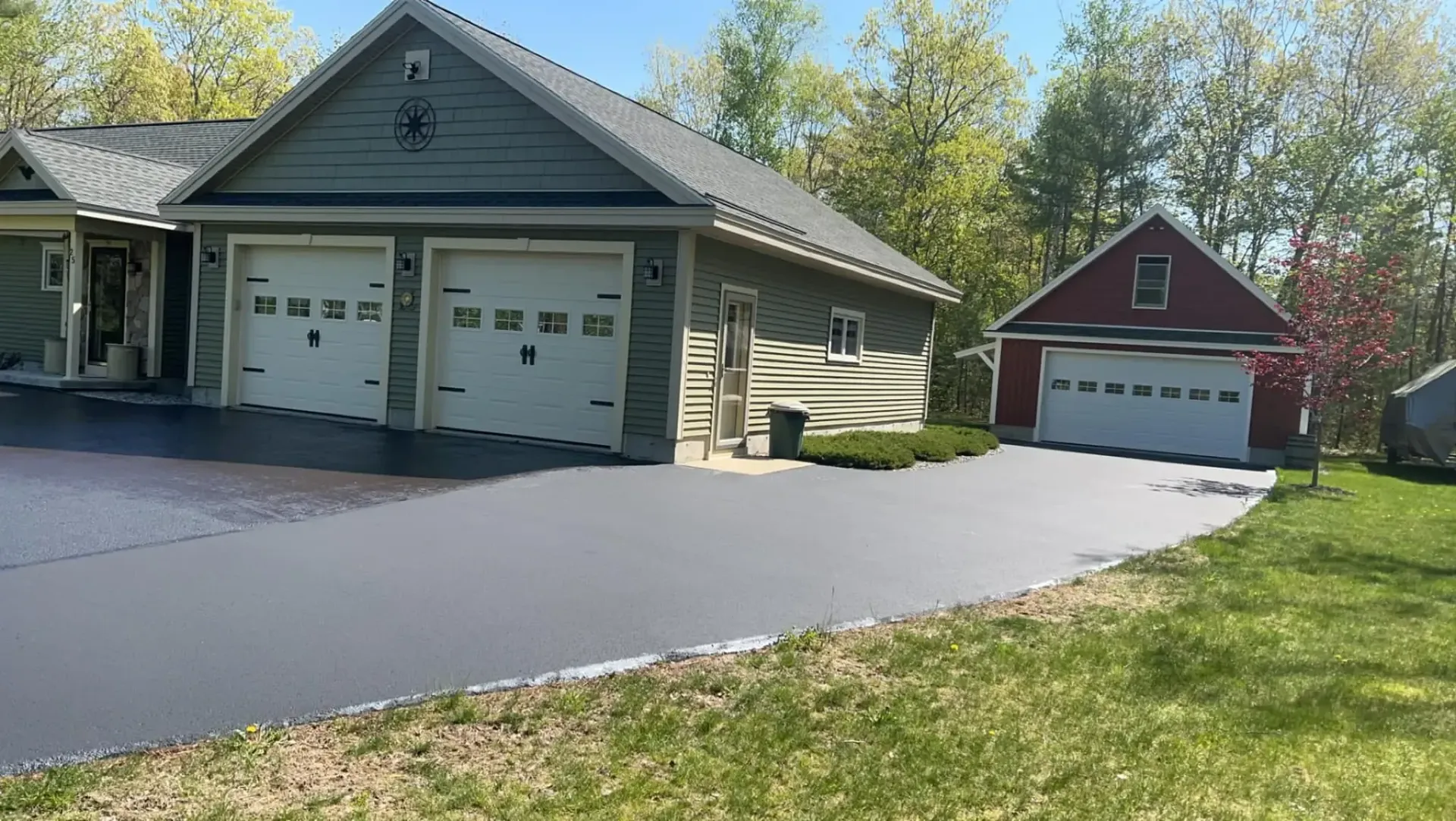
A gray house with a two-car garage and asphalt driveway, adjacent to a red garage, under a blue sky.
By Mikenzie Melendez September 4, 2025
Learn why sealcoating is essential before Maine winters. Protect your driveway from snow, ice, and salt with these expert asphalt care tips.
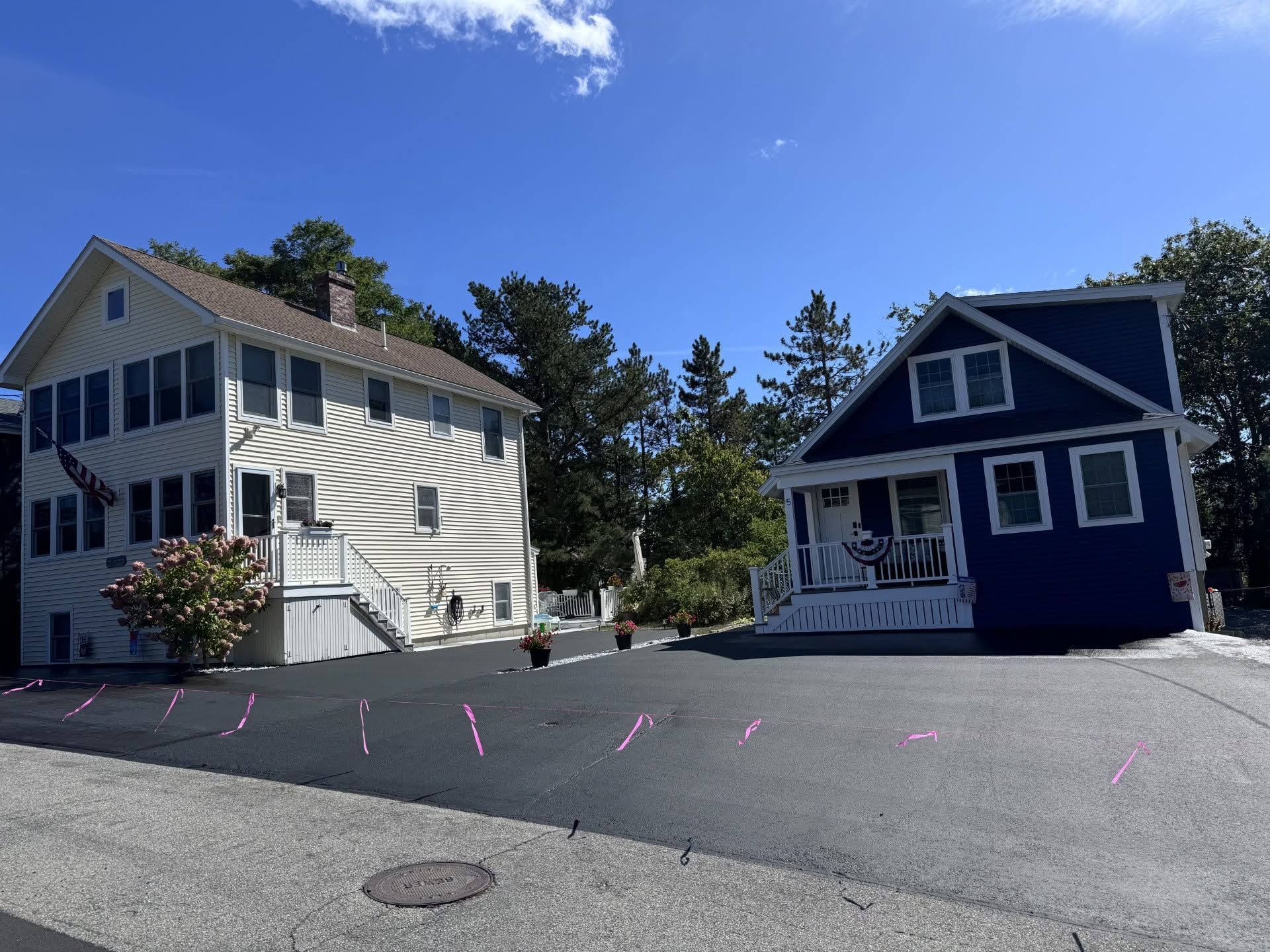
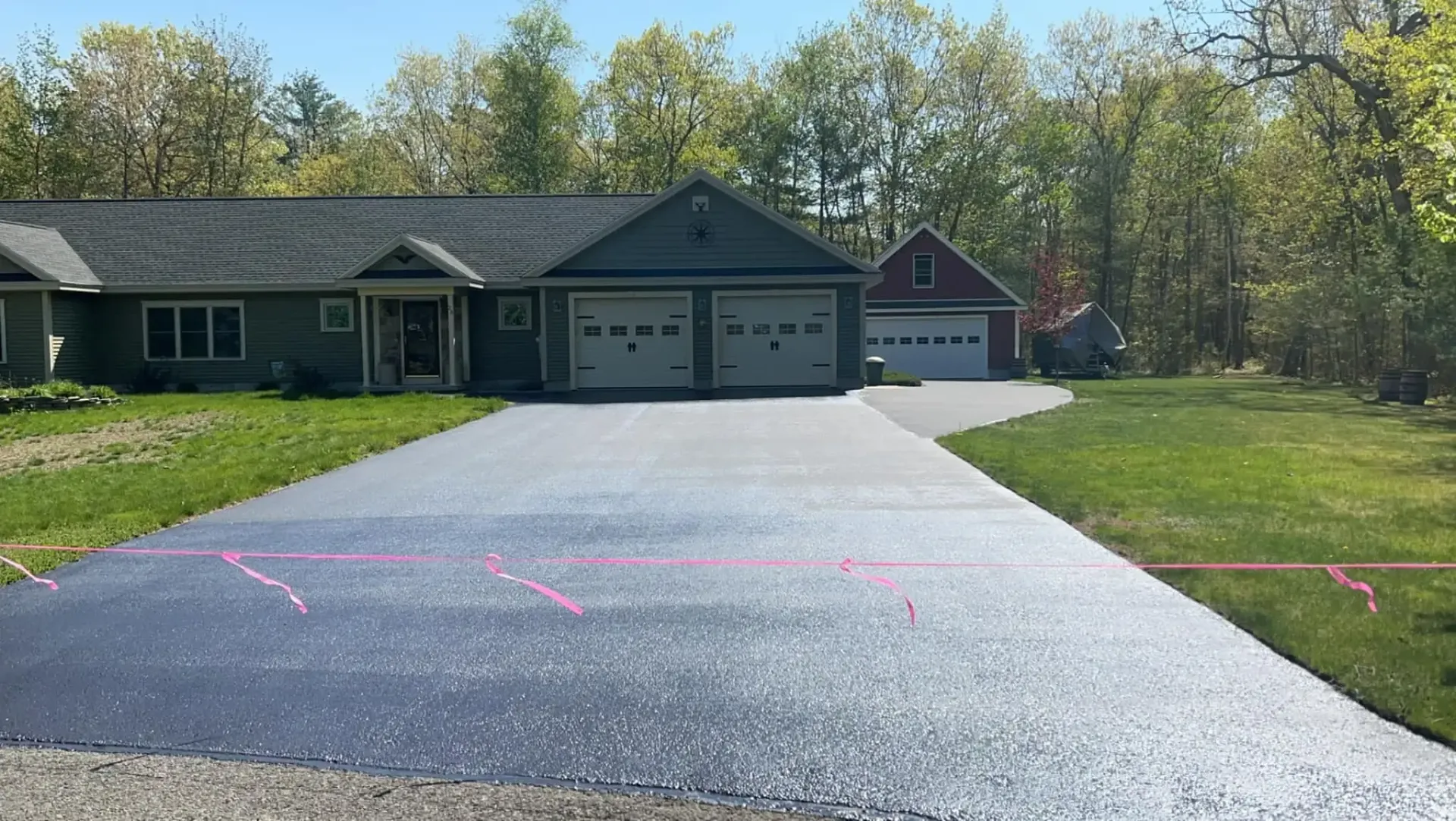
Newly paved asphalt driveway leading to a house with a garage, pink marking lines on the surface.
By Mary Couturier August 21, 2025
Discover the benefits of professional driveway sealcoating. Protect asphalt from damage, extend its lifespan, boost curb appeal, and save on costly repairs.