Preparing Your Driveway for Maine Winters: Sealcoating Tips

Mikenzie Melendez • September 4, 2025

Maine winter driveway maintenance

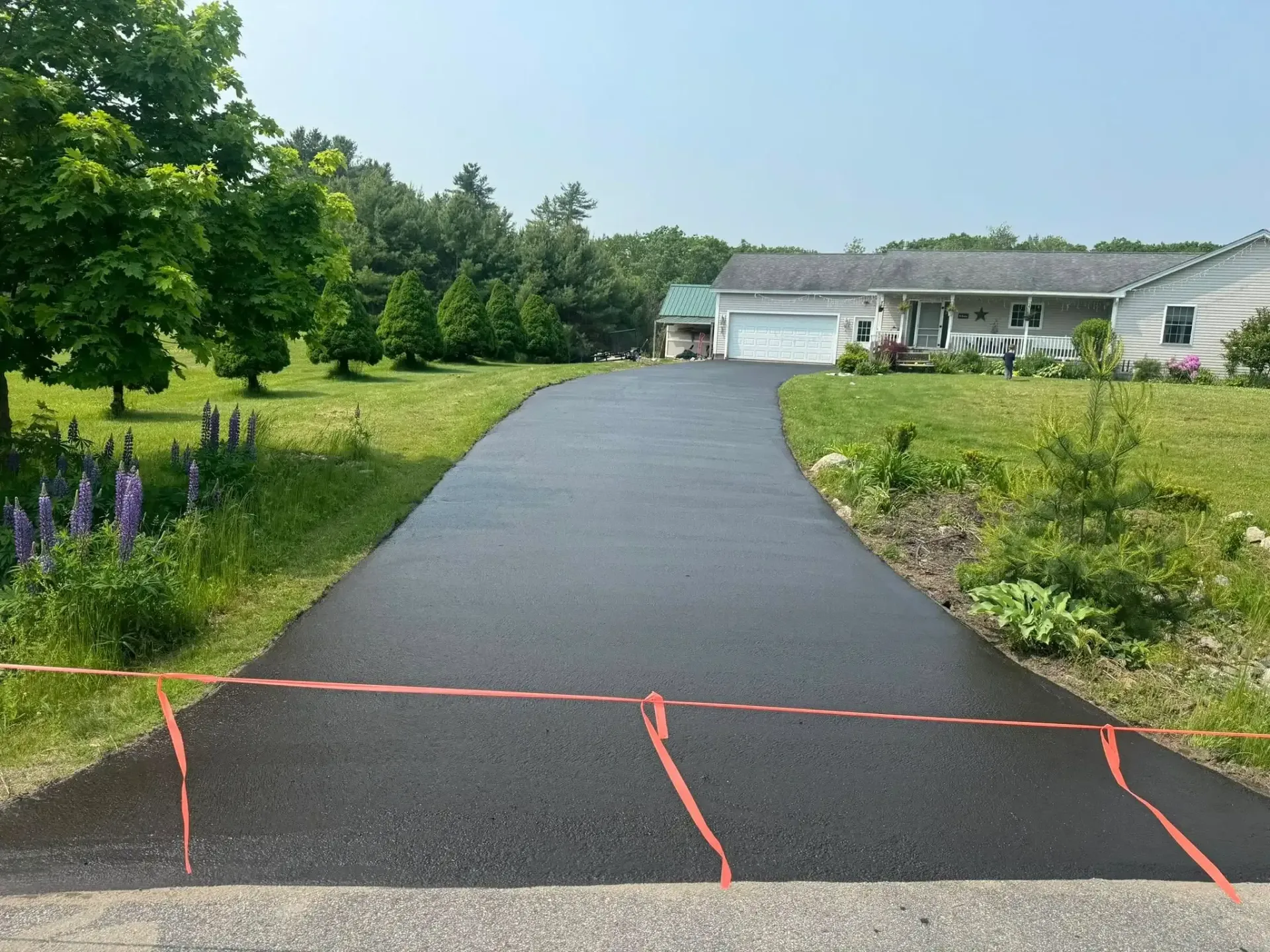
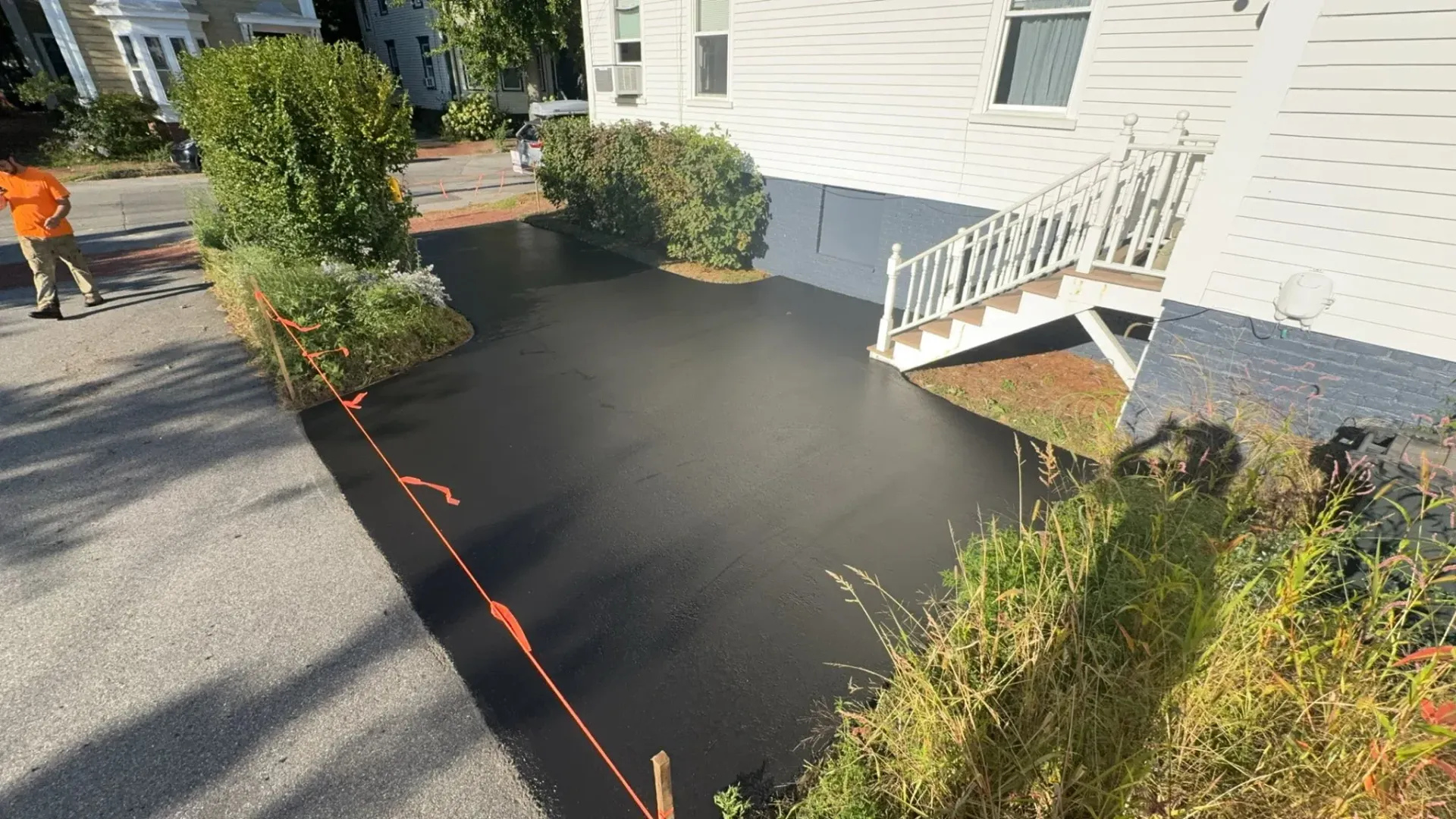
Living in Maine means preparing for long, harsh winters filled with snow, ice, and frequent freeze-thaw cycles. While homeowners often focus on winterizing their homes, one area that’s frequently overlooked is the driveway. Asphalt driveways in particular are vulnerable to cold weather damage, and without the right preparation, small cracks can quickly turn into expensive repairs. Sealcoating your driveway before winter is one of the best investments you can make to protect your property, extend its lifespan, and improve curb appeal.

Why Winter is Tough on Asphalt

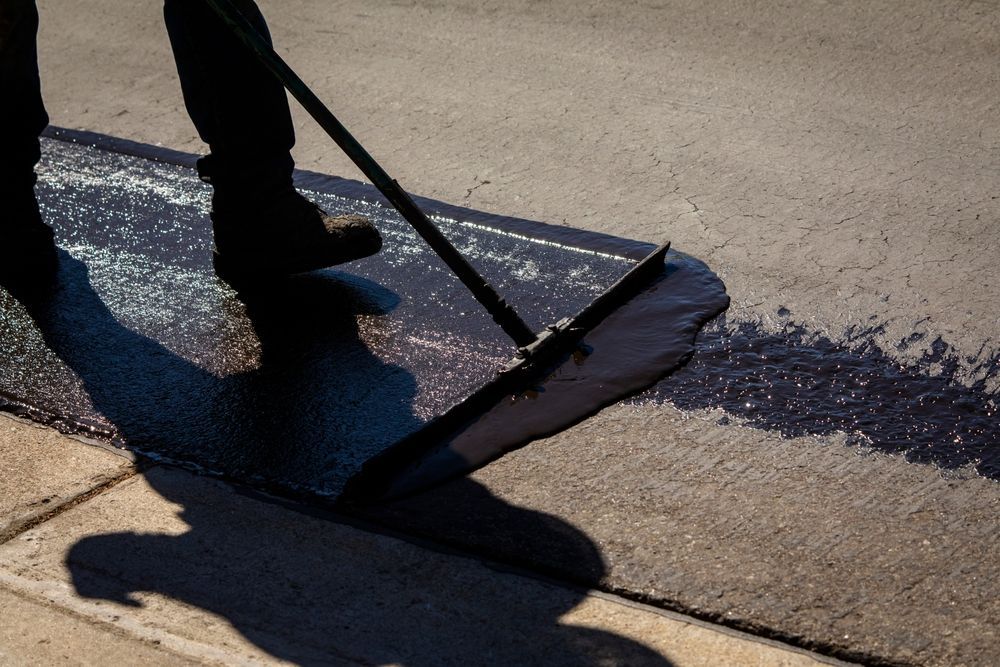
Maine winters are notoriously hard on asphalt. Snow and ice accumulate, salt and de-icing chemicals wear down surfaces, and fluctuating temperatures cause expansion and contraction. Water seeps into even the tiniest cracks, freezes, and expands, which creates larger cracks or potholes. Over time, this process weakens the pavement structure, leading to costly resurfacing or replacement. Sealcoating adds a protective layer that acts like a shield, keeping out moisture, UV rays, and corrosive materials.

Benefits of Sealcoating Before Winter

Applying a fresh layer of sealer before the first frost offers several key advantages:

  • Prevents Water Penetration: Sealcoating fills in small surface voids and creates a waterproof barrier, reducing the risk of freeze-thaw damage.
  • Protects Against Salt & Chemicals: Road salt and de-icers can erode asphalt. Sealcoating provides resistance to these harsh substances.
  • Improves Durability: A sealed surface is less likely to develop cracks, potholes, and other structural issues during winter.
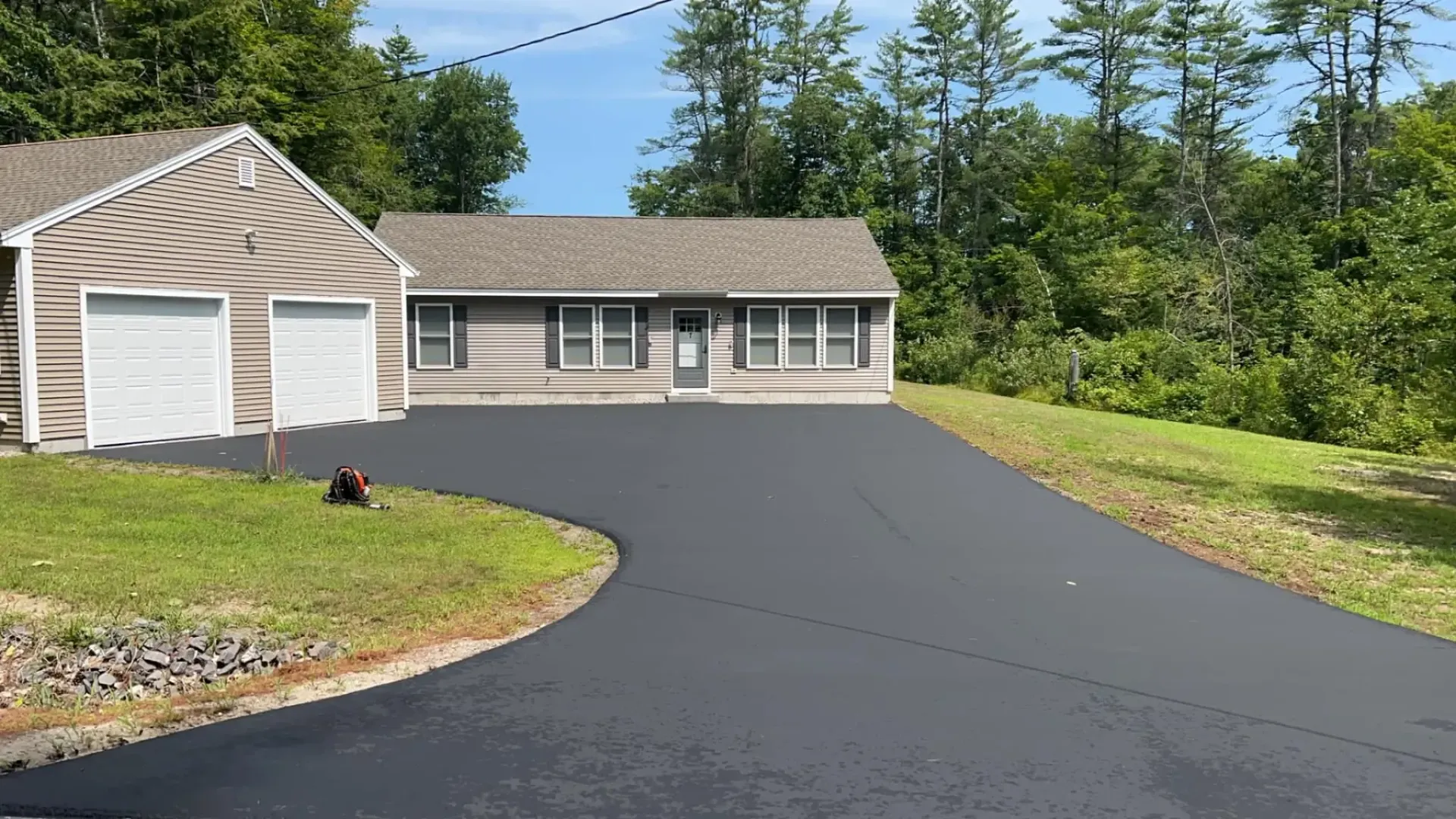
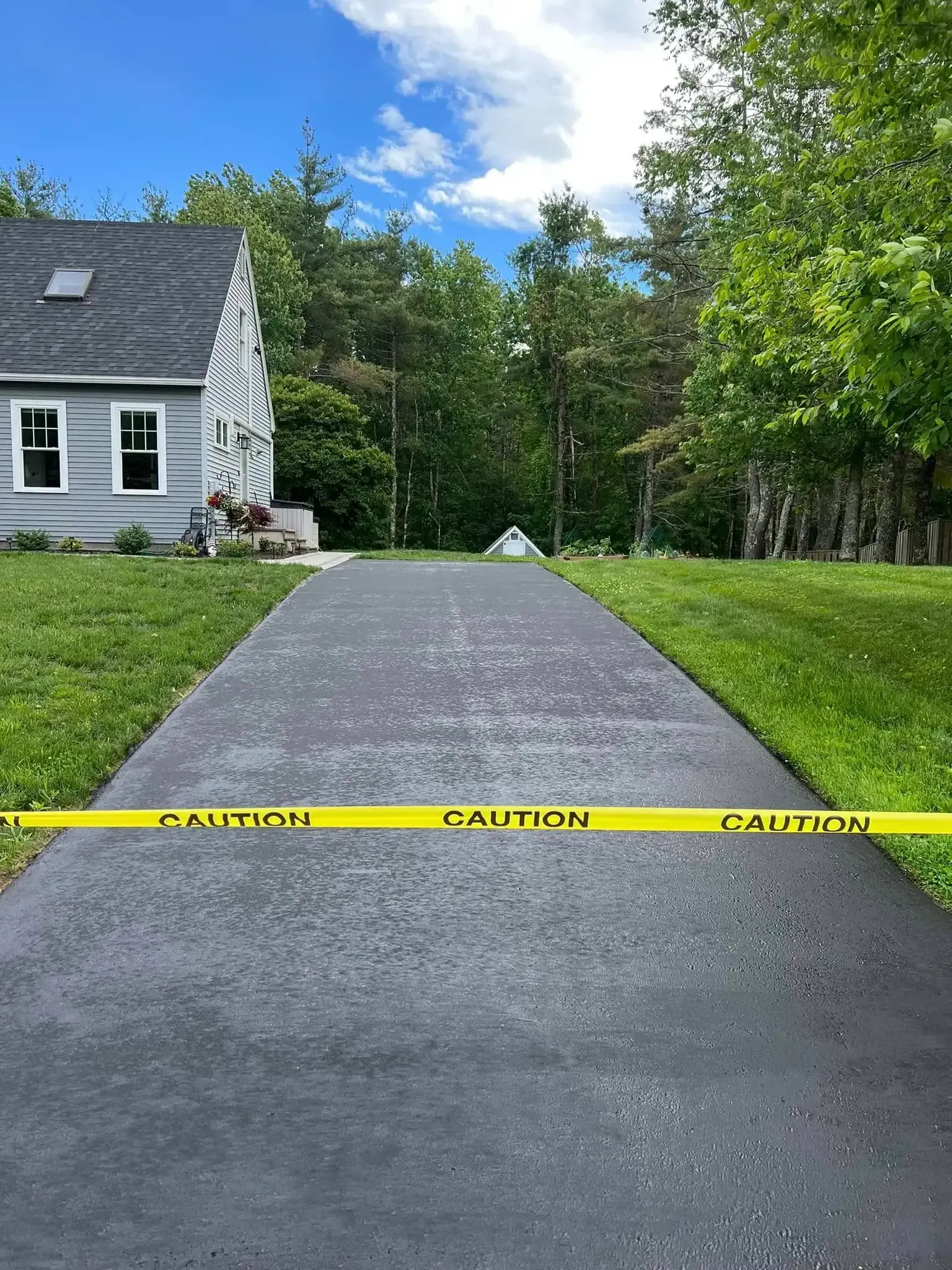
  • Enhances Appearance: Beyond protection, sealcoating restores the rich, black finish of asphalt, giving your home’s exterior a fresh, well-maintained look.

Timing Matters

For the best results, sealcoating should be completed during the warmer months—typically late spring through early fall. The sealer needs time to cure properly, and temperatures must be consistently above 50°F. Homeowners who wait until winter to think about their driveways often find it’s too late for the season. Planning ahead ensures your driveway is fully protected before snow and ice arrive.

Maintenance Tips for the Season

In addition to sealcoating, homeowners can take a few extra steps to safeguard their driveways throughout the winter:

  • Shovel Promptly: Remove snow as soon as possible to prevent ice buildup.
  • Use the Right De-icers: Avoid products that are overly harsh on asphalt; calcium magnesium acetate or sand can be gentler alternatives.
  • Inspect in Spring: Once winter ends, check your driveway for new cracks or wear. Prompt repairs will help extend the benefits of your sealcoat.

Final Thoughts

Sealcoating is a simple, cost-effective step that can save Maine homeowners from expensive driveway repairs in the long run. By preparing your driveway for winter with a professional sealcoat, you’ll protect your investment, boost curb appeal, and enjoy peace of mind knowing your property is ready to handle the toughest weather Maine has to offer.
By Mikenzie Melendez April 6, 2026
If you live in Southern Maine, your driveway or parking lot goes through more stress than you might realize. Between freezing winters, snow removal, and summer heat, asphalt takes a beating year-round. Understanding how Maine weather affects your pavement can help you avoid costly repairs—and extend the life of your investment. The Freeze-Thaw Cycle: Asphalt’s Biggest Enemy One of the most damaging forces in Maine is the freeze-thaw cycle . Here’s what happens: Water seeps into small cracks Temperatures drop → water freezes and expands Ice forces cracks to widen When it melts, even more water enters This cycle repeats dozens of times each season, turning tiny cracks into major damage. Salt and Snow Removal Damage Winter maintenance can also accelerate deterioration: Road salt weakens asphalt structure Plows can scrape and stress surfaces Sand and debris create surface abrasion Over time, this leads to fading, cracking, and potholes. Summer Heat & UV Rays Maine summers may be short—but UV damage is real. Sun exposure: Dries out asphalt oils Causes fading and brittleness Makes surfaces more prone to cracking How to Protect Your Asphalt The good news? Most of this damage is preventable. 1. Sealcoating Every 2–3 Years Sealcoating adds a protective barrier against: Water penetration UV rays Chemical damage 2. Crack Filling Early Small cracks are cheap to fix—but expensive if ignored. 3. Routine Inspections Catch issues early before they become structural failures. Maine weather is tough—but your asphalt doesn’t have to suffer.  With proper maintenance, you can double the lifespan of your driveway or parking lot and avoid major repair costs. 👉 Need help protecting your pavement? Contact Select Sealcoating for a free estimate today.
By Paul Landry March 2, 2026
Why Sealcoating Matters: Before & After That Prove It If you’ve ever driven up to a home with a freshly sealed driveway, you immediately notice the difference. That deep, rich black finish doesn’t just look great — it protects your investment. At Select Sealcoating , we see it every season across Maine: faded, cracked asphalt that could have been saved with routine sealcoating. The before-and-after transformation above shows exactly why sealcoating matters. What Happens to Asphalt Without Protection? Maine's weather is tough on pavement. Between UV exposure, rain, snow, salt, and freeze-thaw cycles, unprotected asphalt begins to: Turn gray and brittle Develop small surface cracks Absorb water Weaken from the inside out Once water penetrates asphalt and freezes, it expands — causing cracks to widen and structural damage to begin. What starts as minor fading can quickly turn into costly repairs. What Sealcoating Actually Does Sealcoating acts like sunscreen and armor for your driveway or parking lot. It creates a protective barrier that: ✔ Blocks UV rays ✔ Repels water ✔ Protects against oil and chemical spills ✔ Slows oxidation ✔ Extends pavement life Instead of replacing asphalt every 10–15 years, properly maintained pavement can last significantly longer. The Before & After Difference In the “before” photo, you’ll notice: Faded gray color Visible cracking Dull, worn surface In the “after” photo: Smooth, uniform finish Deep black color Improved curb appeal Surface protection restored Not only does sealcoating protect your driveway — it instantly boosts the look of your property. How Often Should You Sealcoat in Maine? For most residential properties, sealcoating every 2–3 years is recommended. Commercial properties with heavier traffic may require more frequent maintenance. The key is not waiting until damage becomes severe. Sealcoating is preventative maintenance — and preventative maintenance is always more affordable than replacement. Protect Your Investment Before It’s Too Late Your driveway or parking lot is one of the first things people see. More importantly, it’s a major investment. If your asphalt is looking faded or starting to crack, now is the time to act. Contact Select Sealcoating today for a free estimate and protect your pavement the smart way.
By Mikenzie Melendez October 1, 2025
When it comes to maintaining driveways and parking lots, property owners often hear terms like asphalt paving, resurfacing, and sealcoating. While these processes are related, each serves a different purpose, requires a different level of investment, and has a distinct impact on the lifespan of your pavement. Understanding the difference helps homeowners and businesses make smarter decisions about caring for their asphalt. Asphalt Paving: Building a Strong Foundation Asphalt paving is the process of installing a brand-new surface. This typically happens during new construction or when an existing driveway or parking lot has deteriorated beyond repair. The process involves grading and preparing the base, applying layers of asphalt mix, and compacting them to create a durable, smooth surface. Paving is the most significant investment because it starts from scratch. However, it delivers a strong foundation and decades of service when done properly. For property owners with crumbling pavement, large potholes, or structural base failures, paving is often the only solution. Asphalt Resurfacing: A Fresh New Layer Resurfacing, sometimes called “overlaying,” is a middle-ground option. Instead of tearing out the entire surface, a new layer of asphalt is applied on top of the existing pavement. This gives the look and feel of brand-new asphalt without the cost of a full replacement. Resurfacing is ideal when the base is still solid, but the surface has moderate wear such as cracks, fading, or unevenness. By adding a fresh layer, contractors restore smoothness, improve safety, and extend the life of the pavement for 8–15 more years. However, if the underlying foundation is unstable, resurfacing won’t solve the deeper problem. Sealcoating: Protective Maintenance Sealcoating is the most affordable of the three processes and is all about prevention. It involves applying a protective coating to the asphalt’s surface, much like putting a weatherproof sealant on wood. Sealcoating shields against damaging elements such as UV rays, water, oil spills, and road salt. While sealcoating doesn’t fix major cracks or structural issues, it slows deterioration and keeps asphalt looking dark, rich, and well-maintained. Most contractors recommend sealcoating every 2–3 years, depending on climate and traffic levels. When performed regularly, it can double the life of your driveway or parking lot. Making the Right Choice: Choosing between paving, resurfacing, or sealcoating comes down to the condition of your pavement and your budget. - Paving is best for brand-new surfaces or complete rebuilds. - Resurfacing works when your base is strong but the top layer is failing. - Sealcoating is essential for routine maintenance and long-term protection. Working with a trusted paving contractor ensures that you receive the right solution for your property. With proper maintenance, asphalt can deliver decades of service while enhancing curb appeal and safety.
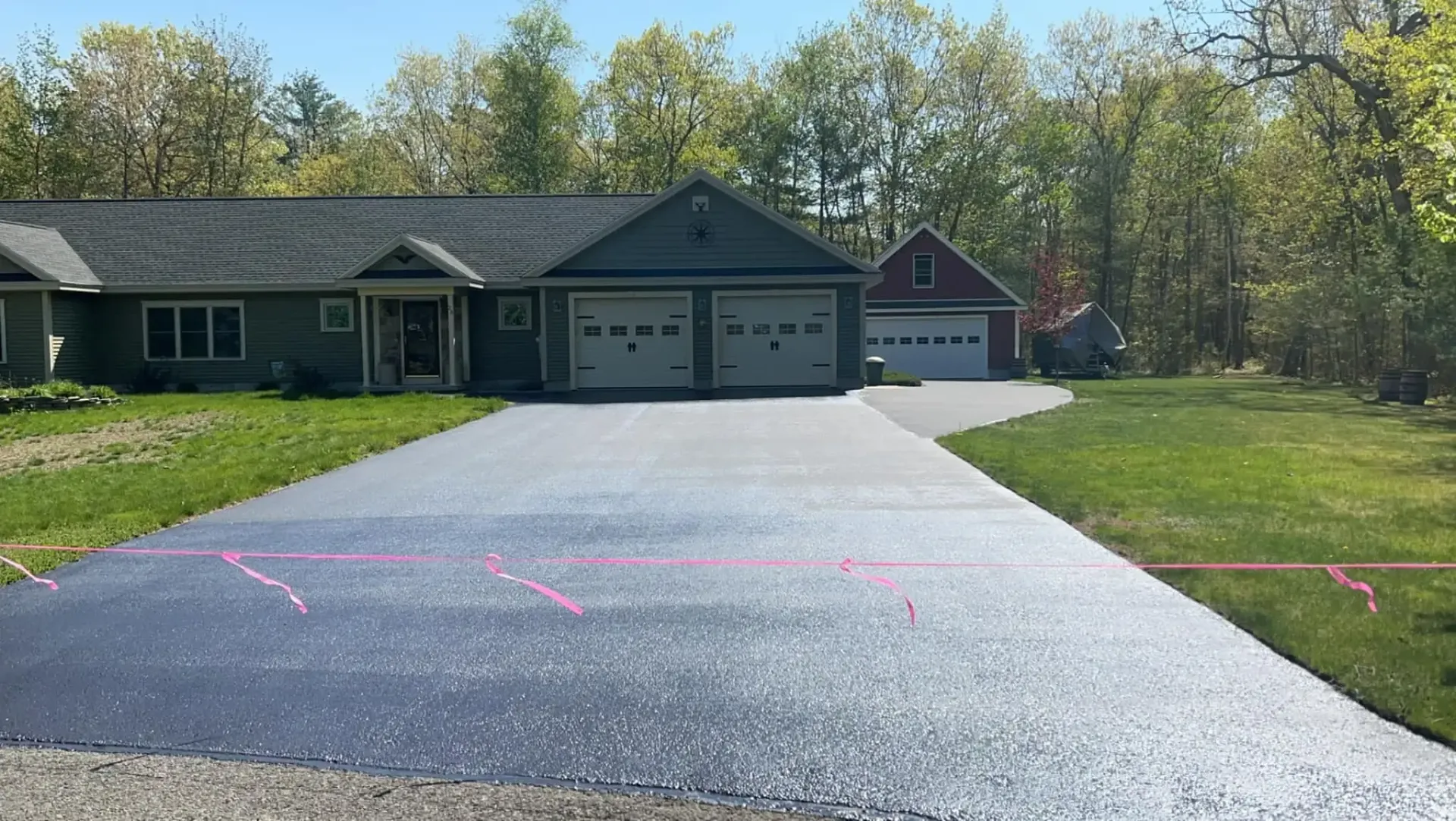
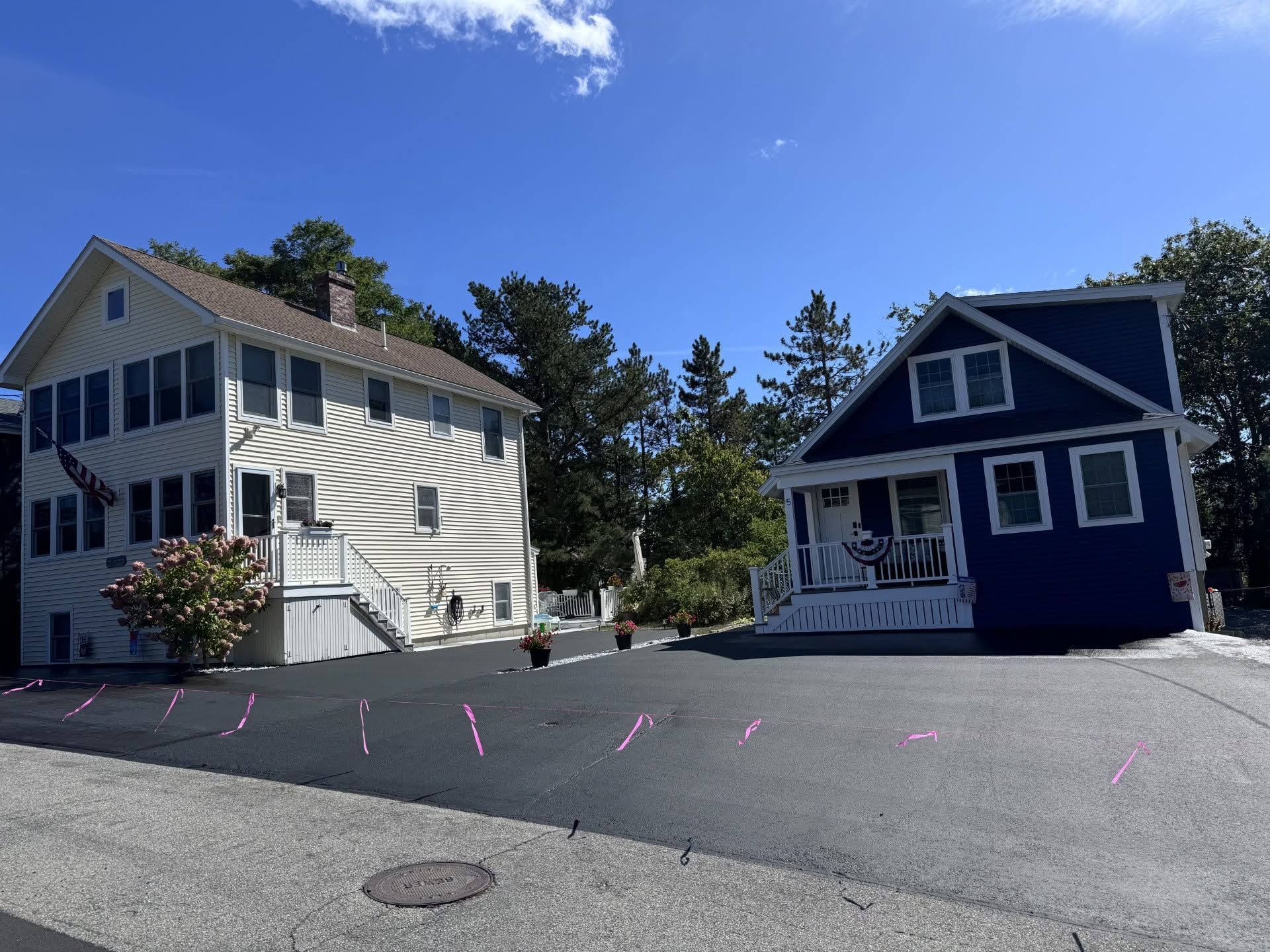
Newly paved asphalt driveway leading to a house with a garage, pink marking lines on the surface.
By Mary Couturier August 21, 2025
Discover the benefits of professional driveway sealcoating. Protect asphalt from damage, extend its lifespan, boost curb appeal, and save on costly repairs.