What to Expect During a Professional Sealcoating Job: A Step-by-Step Walkthrough

Mikenzie Melendez • May 13, 2026

By Select Sealcoating & Paving · Southern Maine
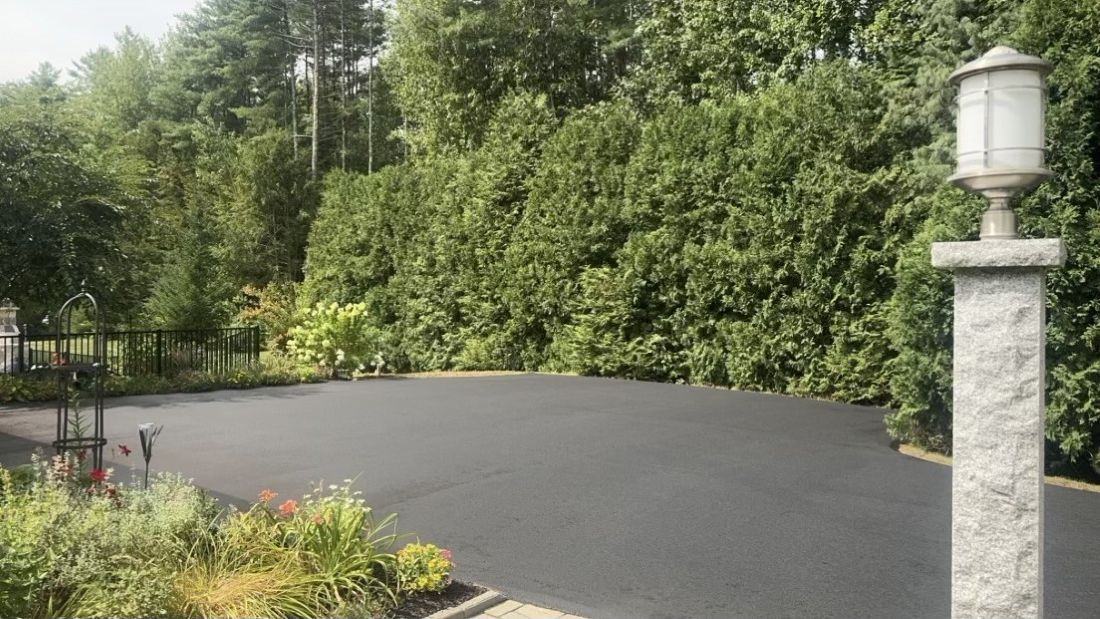
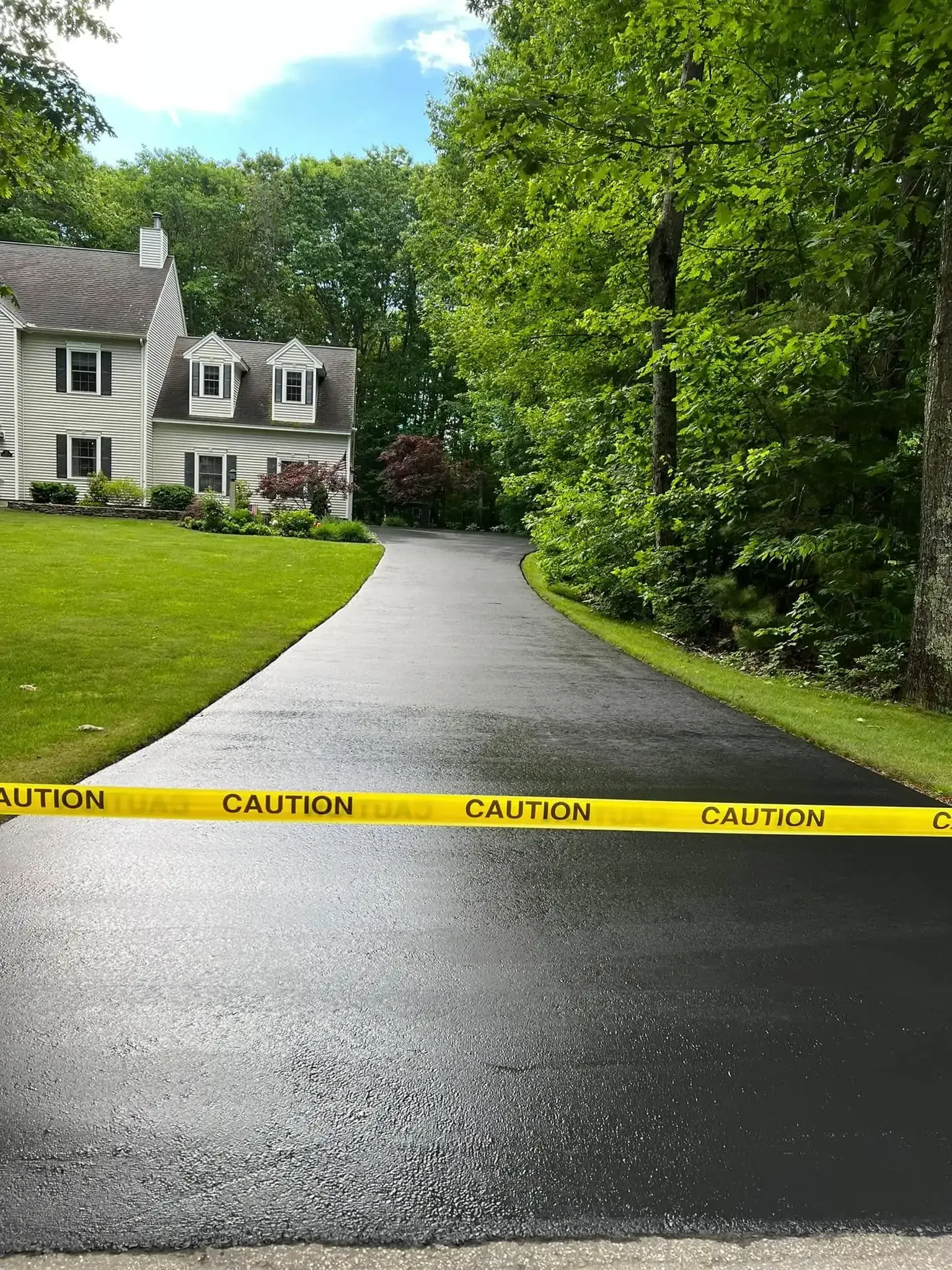
Empty paved driveway bordered by lush green hedges and trees, with a stone lamp post in the foreground

If you've never had your driveway or parking lot professionally sealcoated before, it can feel like a mystery. How long will it take? Do you need to move your car? Will it smell? This guide walks you through exactly what happens from the moment we arrive to the moment you're back on your freshly sealed surface — no surprises.

The Process


Step 1: The Free Estimate

Before any work begins, we visit your property to assess the condition of your asphalt. We check for cracks, potholes, oil stains, and drainage issues. This visit is free and takes about 15–20 minutes. You'll receive a clear, honest quote — no pressure, no hidden fees.

Good to know: If your pavement has significant cracks or base damage, we'll recommend crack filling or repairs before sealcoating. Sealcoat over unrepaired damage won't hold up — and we'll always tell you that up front.


Step 2: Scheduling and Weather Check

We'll schedule your job on a day with dry weather and temperatures above 50°F — sealcoat needs warmth and no rain to cure properly. We monitor forecasts closely and will reschedule if conditions aren't right. Maine weather can be unpredictable, so flexibility here is key to a quality result.


Step 3: Surface Prep — The Most Important Step

On the day of service, our crew starts by thoroughly cleaning the surface — blowing off debris, removing loose material, and treating any oil stains with a primer. Edge grass and weeds along the pavement borders are trimmed back. This prep work is what separates a long-lasting sealcoat from one that peels within a season.

What you need to do: Clear your driveway of vehicles, bikes, basketball hoops, or anything stored on the pavement at least 24 hours before the appointment.

Step 4: Crack Filling (If Needed)

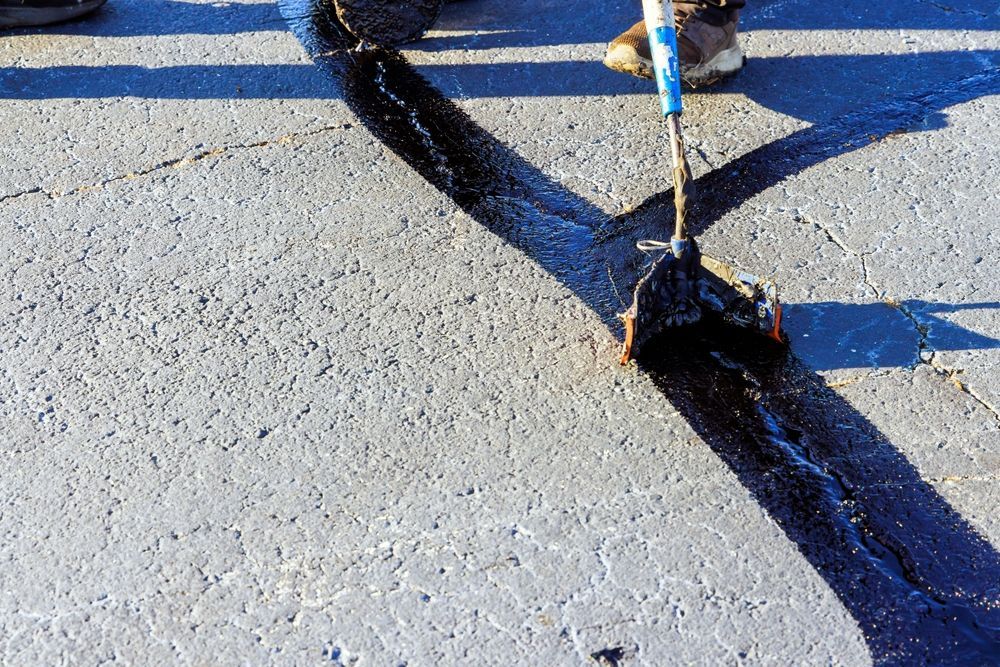
Any cracks identified during the estimate are filled with hot rubberized crack filler before the sealcoat goes down. This flexible material expands and contracts with Maine's freeze-thaw cycle, preventing water from getting underneath your asphalt and causing further damage.


Step 5: Applying the Sealcoat

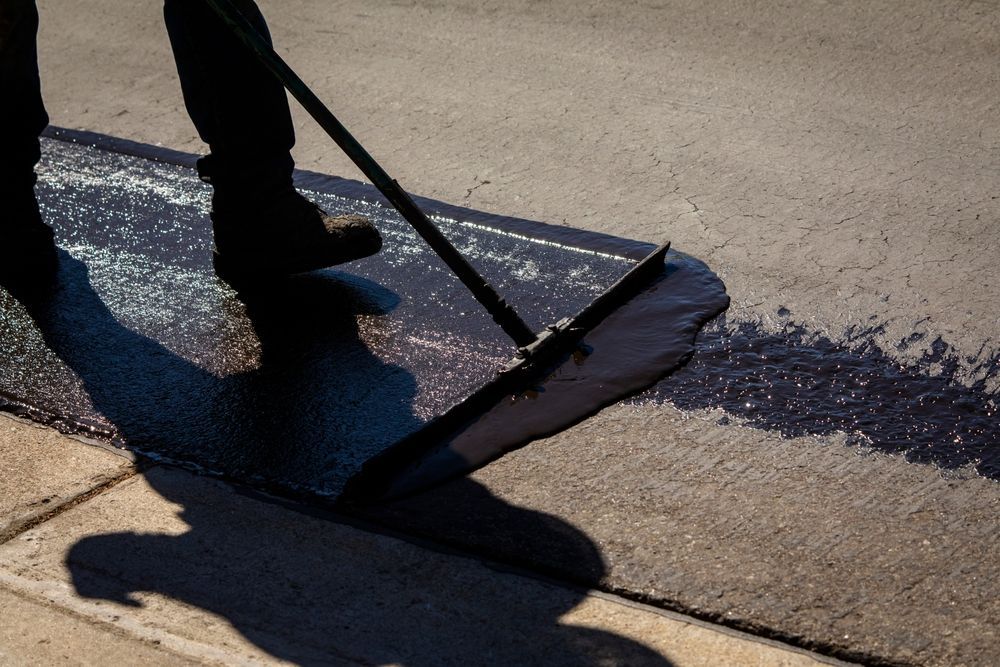
We apply a commercial-grade coal tar or asphalt-based emulsion sealant using a squeegee or spray system, depending on your surface. Edges and tight areas are cut in by hand. Most residential driveways receive two coats for even, durable coverage. The whole application process typically takes 1–3 hours depending on the size of the job.

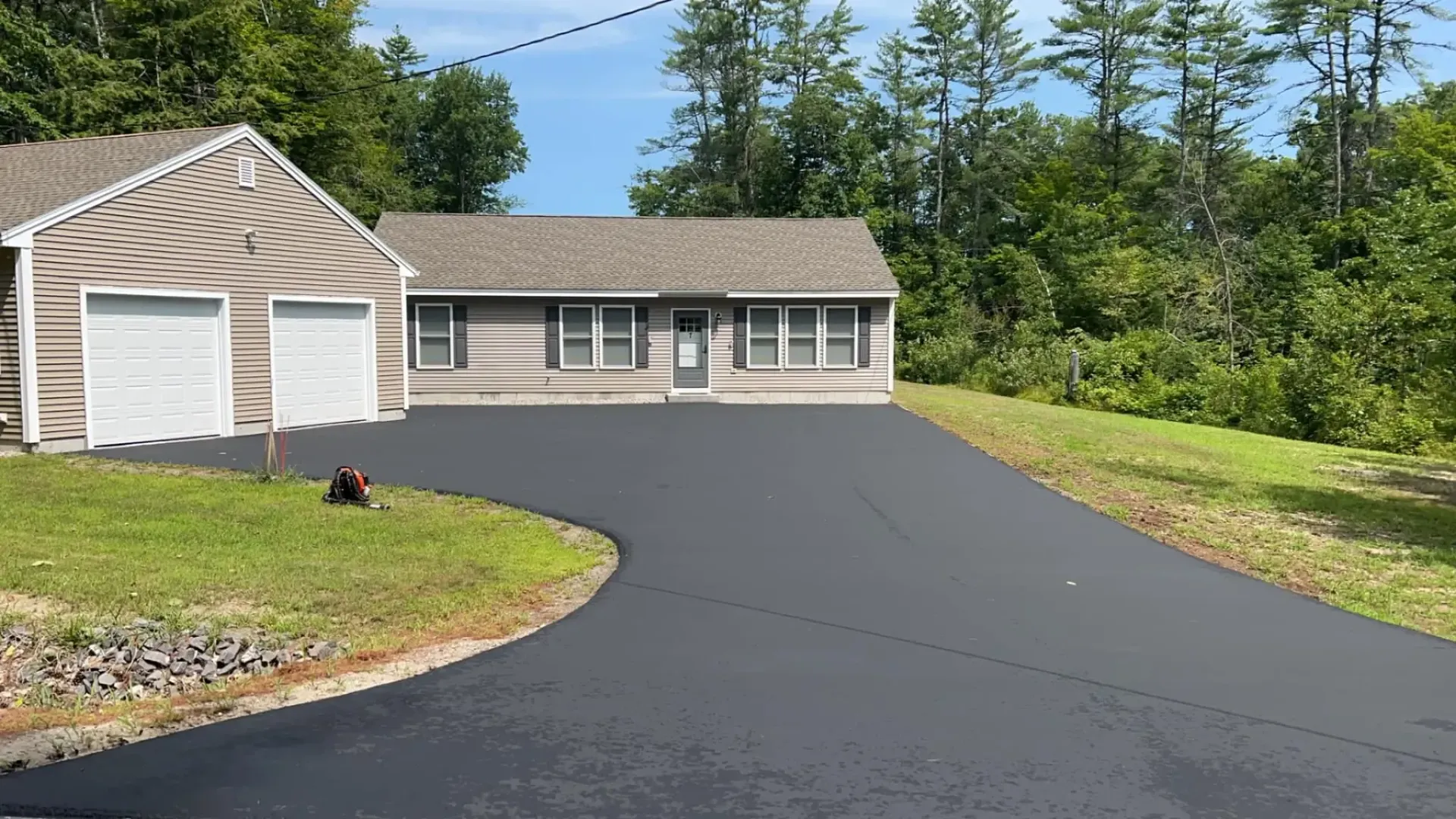
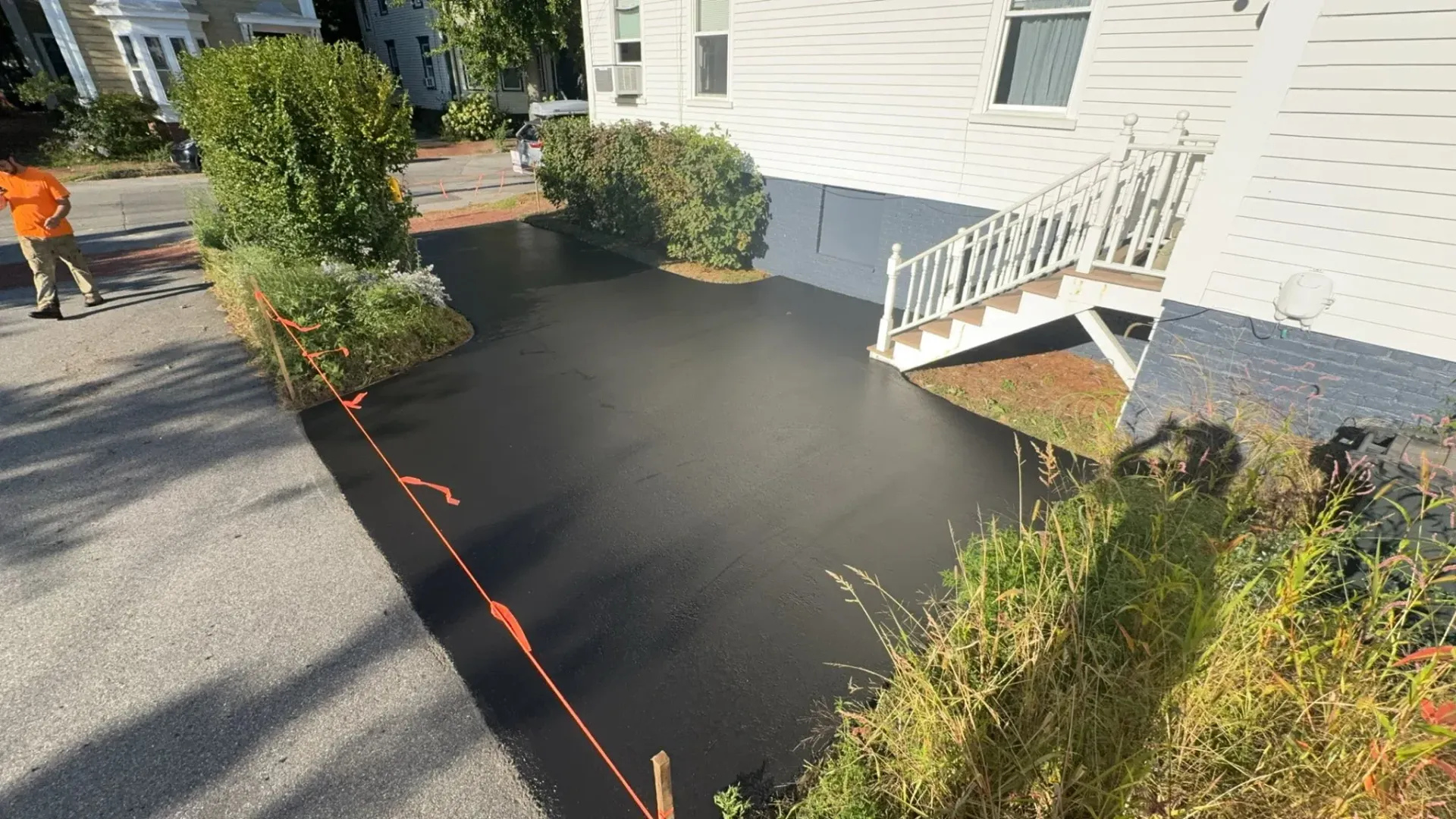
What it looks like: You'll see a deep, rich black finish that dramatically improves curb appeal — this is also a sign the protective layer is thick and even.


Step 6: Curing Time — Stay Off the Surface

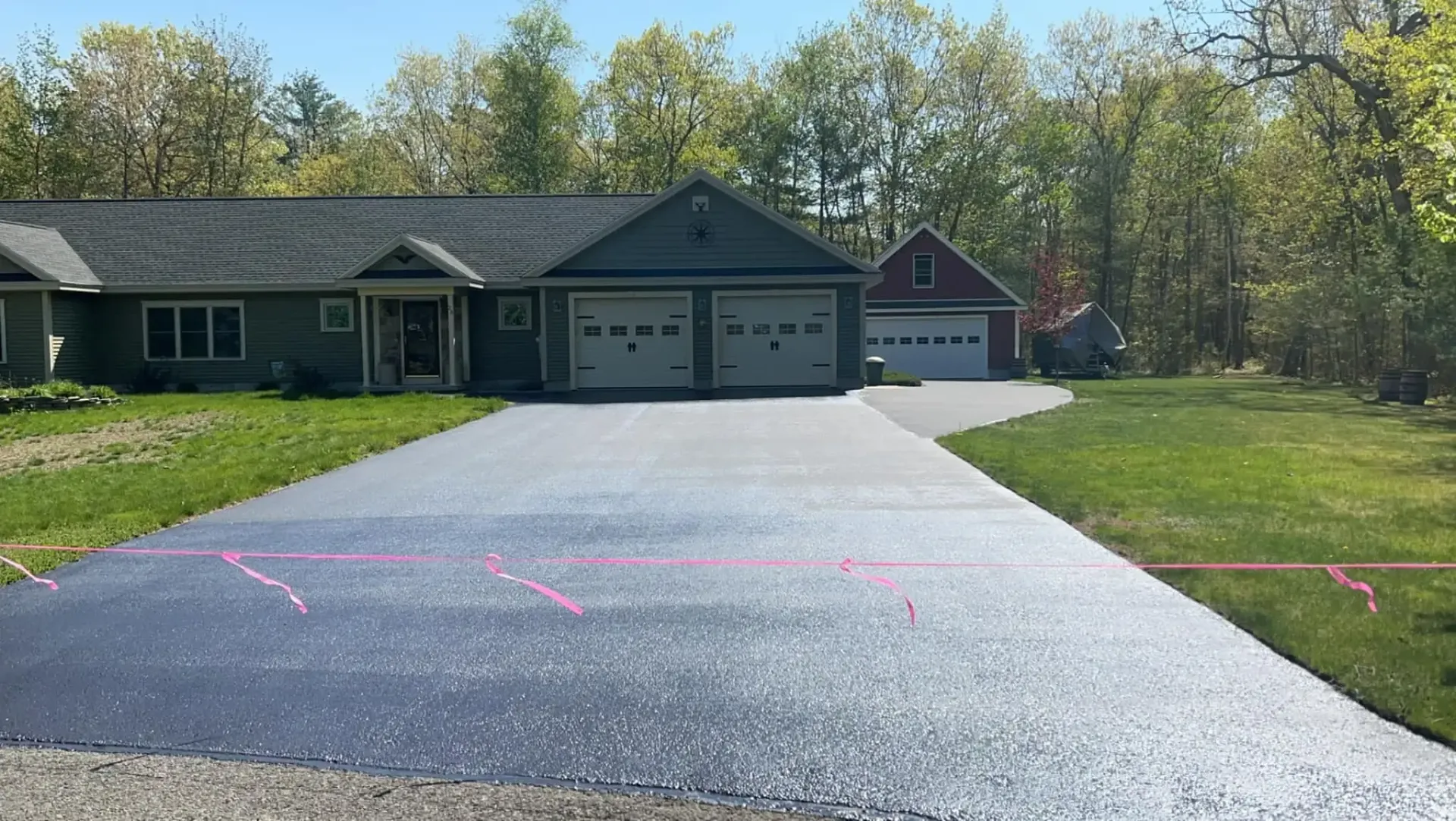
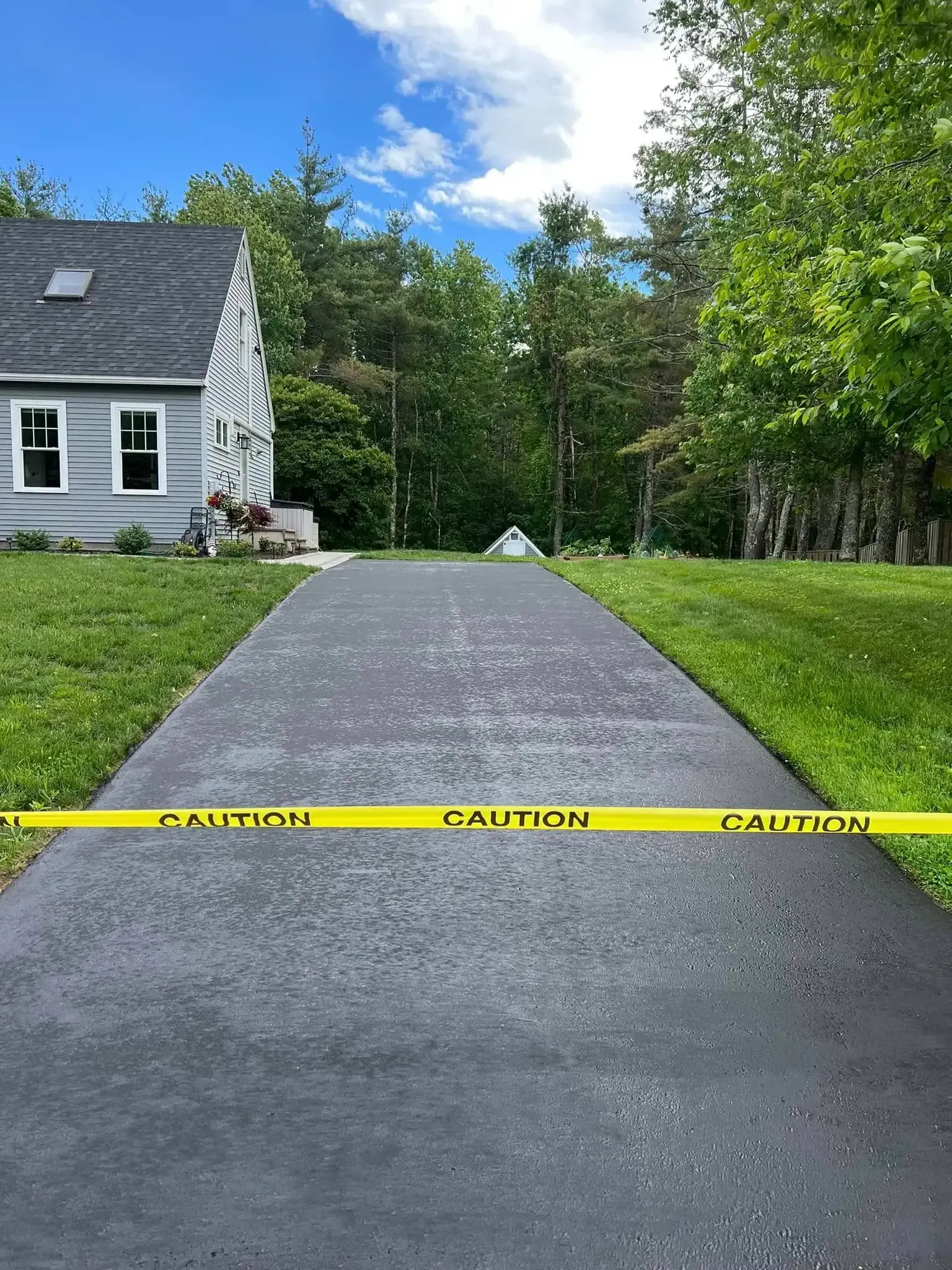
Once the sealcoat is applied, it needs time to cure. In warm, dry conditions, expect to stay off the surface for 24–48 hours. Cooler or humid weather may extend this. We'll place cones or caution tape at your driveway entrance and let you know exactly when it's safe to return.

Common mistake: Walking on the surface too early leaves footprints. Driving on it too soon can scuff or tear the fresh coat. The wait is worth it.


Step 7: Final Walkthrough

Before we pack up, we do a final inspection to make sure coverage is even and edges are clean. We'll go over any notes — like avoiding power washing for the first few weeks or watching for tire scuffs in the first few days of hot weather. You're left with a clean, protected surface and a clear picture of when to sealcoat again.


Frequently Asked Questions


How long does a sealcoating job take from start to finish? Most residential driveways take 2–4 hours for prep and application. Allow 24–48 hours to cure before you can drive on it again.


What if it rains the same day? We won't apply sealcoat if rain is in the forecast. If unexpected rain hits within a few hours of application, the job may need to be redone. This is rare because we watch forecasts carefully — but if it happens, we make it right.


Will it smell? Yes — sealcoat has a strong odor during application and for a few hours after. It dissipates as the surface cures. Ventilate your garage if it's attached.


How soon can I park on it? Wait at least 24 hours in warm weather, 48 in cooler conditions. For the first week, avoid sharp turns in place, which can scuff the fresh coat.


How often should I sealcoat? We recommend every 2–3 years for most driveways in Maine. Surfaces with heavy sun exposure or high traffic may benefit from more frequent maintenance.


Ready to protect your pavement?

Select Sealcoating serves Southern and Coastal Maine — from Biddeford and Saco to Scarborough, Kennebunk, Portland, and Wells. Free estimates, honest pricing, and work built for Maine weather.

📞 Call (207) 815-8035
Worker applying black sealant to a crack in a concrete surface with a brush
By Mikenzie Melendez May 7, 2026
Skipping crack filling can lead to costly asphalt repairs. Ensure your pavement lasts longer with our expert services. Contact Select Sealcoating!
By Mikenzie Melendez April 6, 2026
If you live in Southern Maine, your driveway or parking lot goes through more stress than you might realize. Between freezing winters, snow removal, and summer heat, asphalt takes a beating year-round. Understanding how Maine weather affects your pavement can help you avoid costly repairs—and extend the life of your investment. The Freeze-Thaw Cycle: Asphalt’s Biggest Enemy One of the most damaging forces in Maine is the freeze-thaw cycle . Here’s what happens: Water seeps into small cracks Temperatures drop → water freezes and expands Ice forces cracks to widen When it melts, even more water enters This cycle repeats dozens of times each season, turning tiny cracks into major damage. Salt and Snow Removal Damage Winter maintenance can also accelerate deterioration: Road salt weakens asphalt structure Plows can scrape and stress surfaces Sand and debris create surface abrasion Over time, this leads to fading, cracking, and potholes. Summer Heat & UV Rays Maine summers may be short—but UV damage is real. Sun exposure: Dries out asphalt oils Causes fading and brittleness Makes surfaces more prone to cracking How to Protect Your Asphalt The good news? Most of this damage is preventable. 1. Sealcoating Every 2–3 Years Sealcoating adds a protective barrier against: Water penetration UV rays Chemical damage 2. Crack Filling Early Small cracks are cheap to fix—but expensive if ignored. 3. Routine Inspections Catch issues early before they become structural failures. Maine weather is tough—but your asphalt doesn’t have to suffer.  With proper maintenance, you can double the lifespan of your driveway or parking lot and avoid major repair costs. 👉 Need help protecting your pavement? Contact Select Sealcoating for a free estimate today.
By Paul Landry March 2, 2026
Why Sealcoating Matters: Before & After That Prove It If you’ve ever driven up to a home with a freshly sealed driveway, you immediately notice the difference. That deep, rich black finish doesn’t just look great — it protects your investment. At Select Sealcoating , we see it every season across Maine: faded, cracked asphalt that could have been saved with routine sealcoating. The before-and-after transformation above shows exactly why sealcoating matters. What Happens to Asphalt Without Protection? Maine's weather is tough on pavement. Between UV exposure, rain, snow, salt, and freeze-thaw cycles, unprotected asphalt begins to: Turn gray and brittle Develop small surface cracks Absorb water Weaken from the inside out Once water penetrates asphalt and freezes, it expands — causing cracks to widen and structural damage to begin. What starts as minor fading can quickly turn into costly repairs. What Sealcoating Actually Does Sealcoating acts like sunscreen and armor for your driveway or parking lot. It creates a protective barrier that: ✔ Blocks UV rays ✔ Repels water ✔ Protects against oil and chemical spills ✔ Slows oxidation ✔ Extends pavement life Instead of replacing asphalt every 10–15 years, properly maintained pavement can last significantly longer. The Before & After Difference In the “before” photo, you’ll notice: Faded gray color Visible cracking Dull, worn surface In the “after” photo: Smooth, uniform finish Deep black color Improved curb appeal Surface protection restored Not only does sealcoating protect your driveway — it instantly boosts the look of your property. How Often Should You Sealcoat in Maine? For most residential properties, sealcoating every 2–3 years is recommended. Commercial properties with heavier traffic may require more frequent maintenance. The key is not waiting until damage becomes severe. Sealcoating is preventative maintenance — and preventative maintenance is always more affordable than replacement. Protect Your Investment Before It’s Too Late Your driveway or parking lot is one of the first things people see. More importantly, it’s a major investment. If your asphalt is looking faded or starting to crack, now is the time to act. Contact Select Sealcoating today for a free estimate and protect your pavement the smart way.
By Mikenzie Melendez October 1, 2025
When it comes to maintaining driveways and parking lots, property owners often hear terms like asphalt paving, resurfacing, and sealcoating. While these processes are related, each serves a different purpose, requires a different level of investment, and has a distinct impact on the lifespan of your pavement. Understanding the difference helps homeowners and businesses make smarter decisions about caring for their asphalt. Asphalt Paving: Building a Strong Foundation Asphalt paving is the process of installing a brand-new surface. This typically happens during new construction or when an existing driveway or parking lot has deteriorated beyond repair. The process involves grading and preparing the base, applying layers of asphalt mix, and compacting them to create a durable, smooth surface. Paving is the most significant investment because it starts from scratch. However, it delivers a strong foundation and decades of service when done properly. For property owners with crumbling pavement, large potholes, or structural base failures, paving is often the only solution. Asphalt Resurfacing: A Fresh New Layer Resurfacing, sometimes called “overlaying,” is a middle-ground option. Instead of tearing out the entire surface, a new layer of asphalt is applied on top of the existing pavement. This gives the look and feel of brand-new asphalt without the cost of a full replacement. Resurfacing is ideal when the base is still solid, but the surface has moderate wear such as cracks, fading, or unevenness. By adding a fresh layer, contractors restore smoothness, improve safety, and extend the life of the pavement for 8–15 more years. However, if the underlying foundation is unstable, resurfacing won’t solve the deeper problem. Sealcoating: Protective Maintenance Sealcoating is the most affordable of the three processes and is all about prevention. It involves applying a protective coating to the asphalt’s surface, much like putting a weatherproof sealant on wood. Sealcoating shields against damaging elements such as UV rays, water, oil spills, and road salt. While sealcoating doesn’t fix major cracks or structural issues, it slows deterioration and keeps asphalt looking dark, rich, and well-maintained. Most contractors recommend sealcoating every 2–3 years, depending on climate and traffic levels. When performed regularly, it can double the life of your driveway or parking lot. Making the Right Choice: Choosing between paving, resurfacing, or sealcoating comes down to the condition of your pavement and your budget. - Paving is best for brand-new surfaces or complete rebuilds. - Resurfacing works when your base is strong but the top layer is failing. - Sealcoating is essential for routine maintenance and long-term protection. Working with a trusted paving contractor ensures that you receive the right solution for your property. With proper maintenance, asphalt can deliver decades of service while enhancing curb appeal and safety.
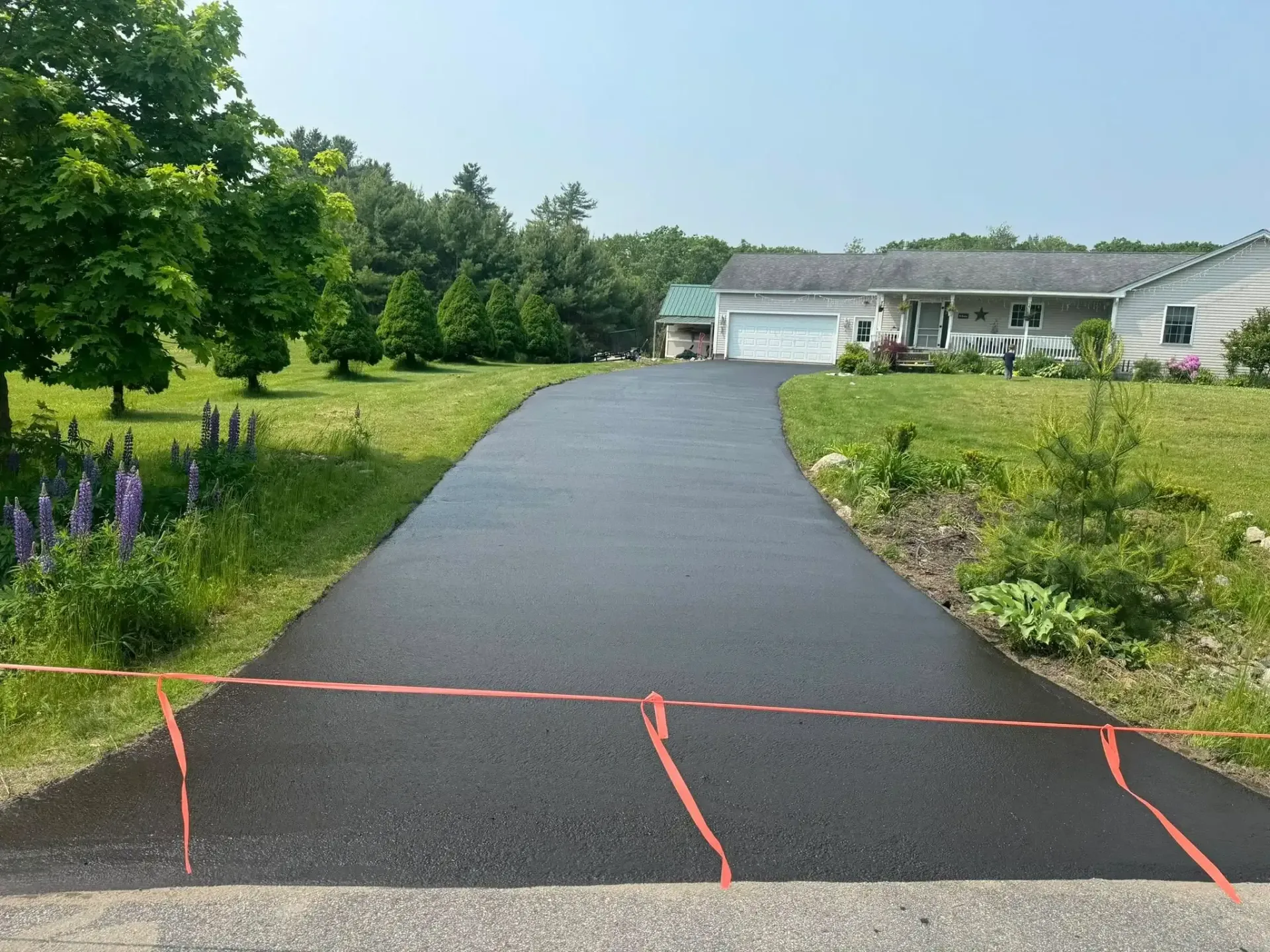
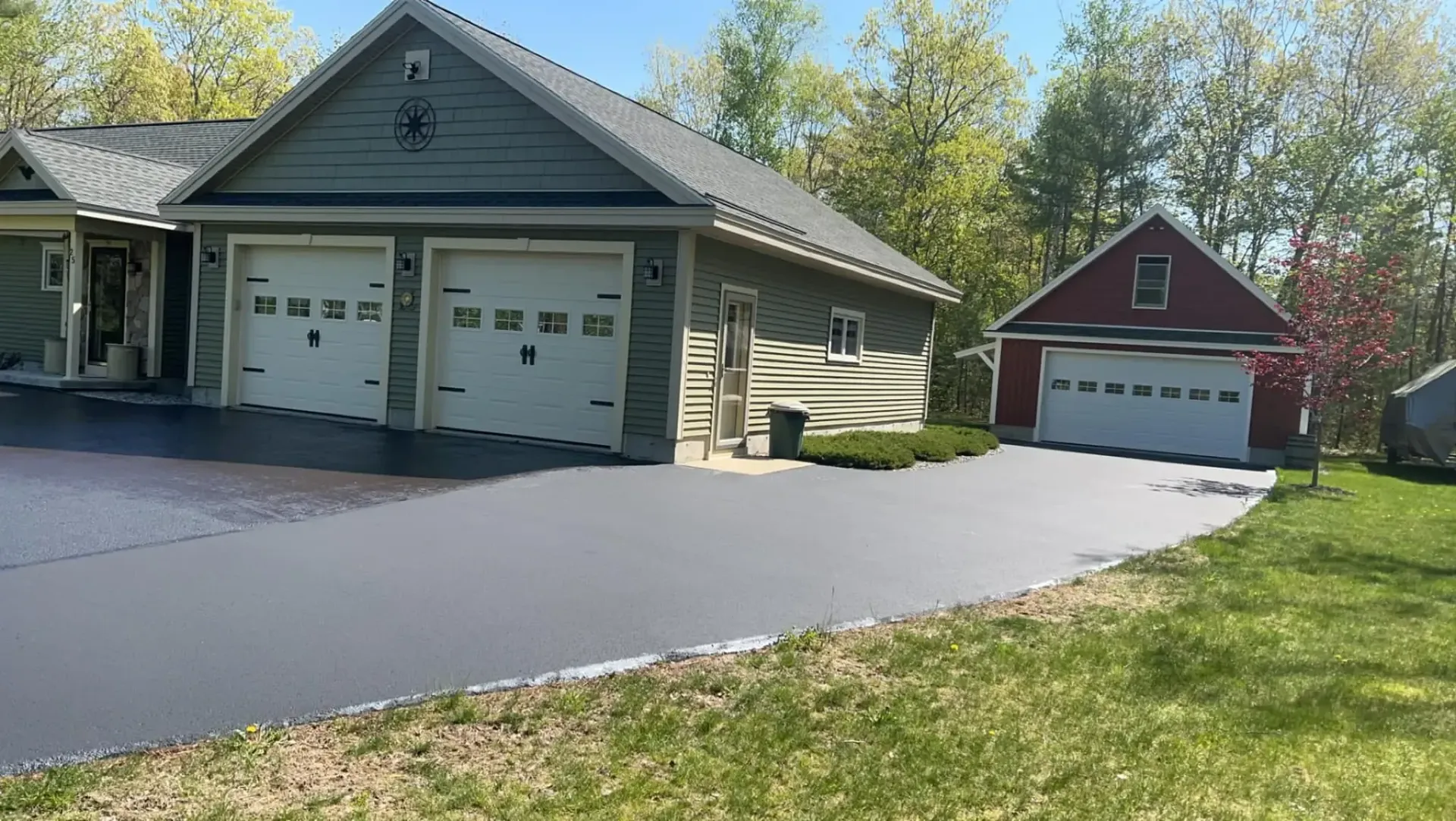
A gray house with a two-car garage and asphalt driveway, adjacent to a red garage, under a blue sky.
By Mikenzie Melendez September 4, 2025
Learn why sealcoating is essential before Maine winters. Protect your driveway from snow, ice, and salt with these expert asphalt care tips.
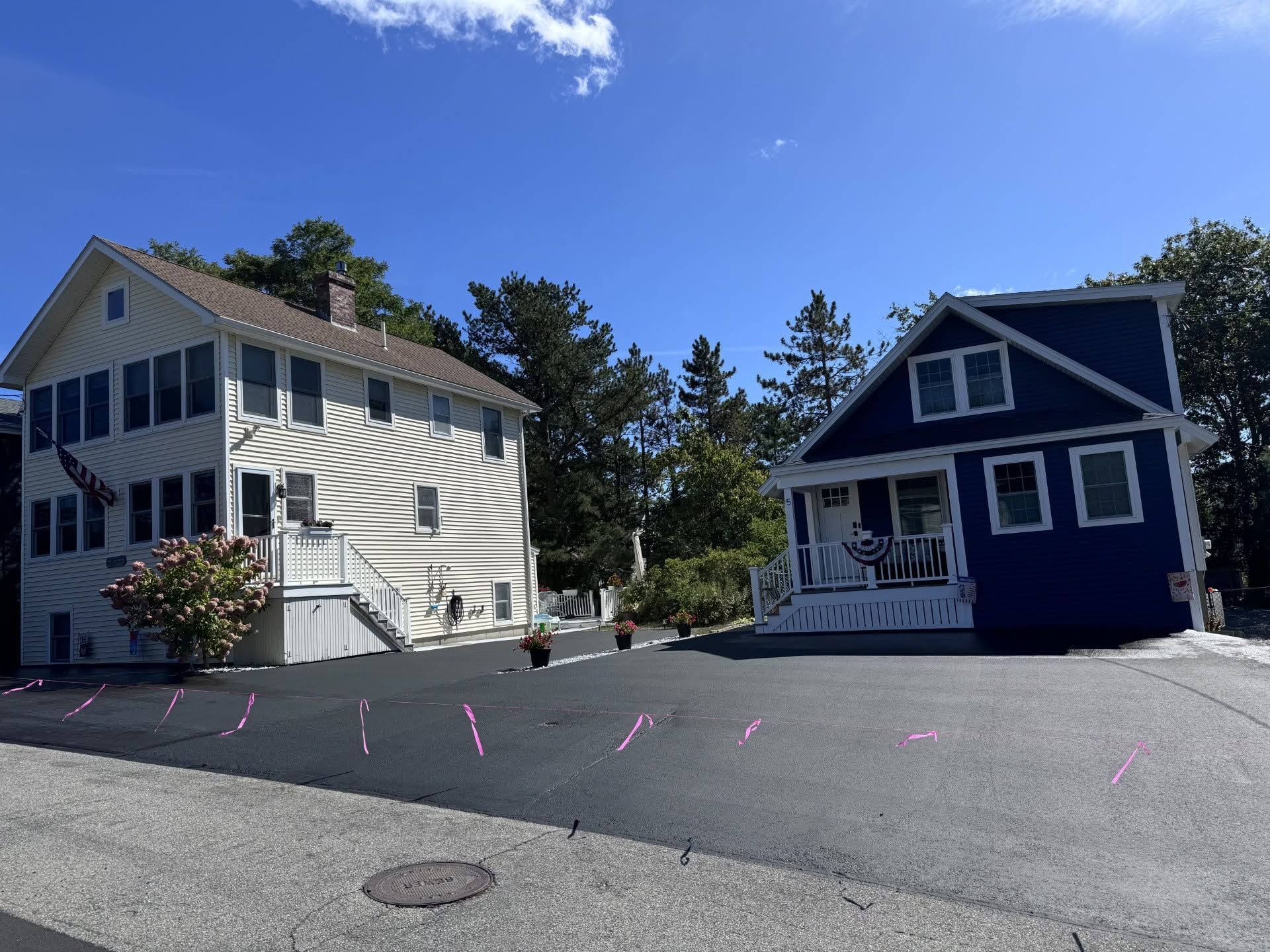
Newly paved asphalt driveway leading to a house with a garage, pink marking lines on the surface.
By Mary Couturier August 21, 2025
Discover the benefits of professional driveway sealcoating. Protect asphalt from damage, extend its lifespan, boost curb appeal, and save on costly repairs.